
The First Signs of a Silent Invader
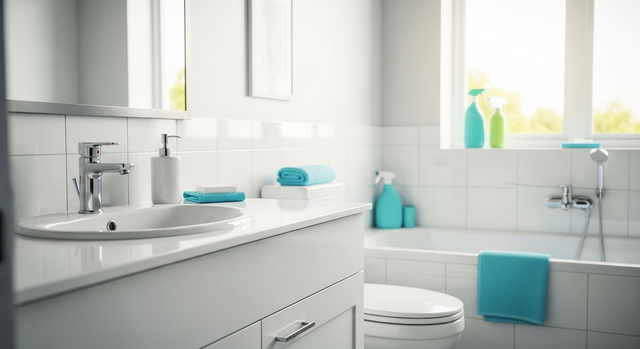


I never thought a bathroom could be a battlefield—until I noticed the tiny black spots creeping along the grout between my tiles. At first, I ignored them, thinking a quick wipe-down would solve everything. But no matter how often I scrubbed, they always came back. The bathroom, warm and damp from daily showers, had become the perfect home for mould. And I knew I couldn’t risk toxic chemical cleaners—the smell alone made me dizzy, and I didn’t want harsh residues lingering where I bathed.
Determined to tackle the problem safely, I began researching alternatives. That’s when I discovered professionals and services that emphasise non-toxic cleaning. One name that kept popping up was RMS Cleaning. Their approach wasn’t about masking the mould with bleach fumes or harsh chemicals—it was about understanding the problem, addressing moisture, and using safe, effective techniques to remove mould at the root. I realised that if experts could handle it safely, I could do the same in my own bathroom.
Understanding the Enemy
I learned quickly that not all mould is the same. What I saw on the surface was only the beginning. Grout is porous, and mould loves to hide inside. Scrubbing the surface alone wasn’t enough; I needed to tackle both what I could see and what had sunk in. Surface mould is like a fleeting shadow, easy to remove with the right method. But deep-set mould? That’s the real challenge—and the one that always returns if ignored.
Debunking Myths
For years, I had believed bleach was the ultimate solution. I thought if something smelled strong, it must be working. I also assumed scrubbing harder would make the spots vanish faster. I quickly learned these were myths. Bleach often only lightens the colour; it doesn’t kill the hidden spores. And aggressive scrubbing? That only wore down my grout, making it even more vulnerable to mould.
Health First: Why I Avoided Chemicals
I reminded myself why I wanted a non-toxic solution. Harsh cleaners can irritate the lungs, burn the skin, and even leave residues that linger for weeks. With pets and a curious child in the house, I couldn’t risk it. I wanted a solution that would clean the grout and keep the bathroom safe—without the cloud of chemical fumes.
My First Weapons: Baking Soda and Vinegar
Armed with a paste of baking soda and water, I began my first real attempt. The gritty texture allowed me to scrub without damaging the grout. I left it on for a while, scrubbing in gentle circles, and rinsed. It worked better than I expected.
Next, I experimented with vinegar. Spraying the grout lines with white vinegar, letting it sit, and scrubbing lightly revealed a surprising truth: the natural acidity was a perfect mould-fighter. I only used it on tiles that weren’t stone, careful not to damage surfaces.
Hydrogen Peroxide and Lemon Juice: Reinforcements
For stubborn patches, I brought out hydrogen peroxide. The bubbling action made the mould visibly disappear, and it was far safer than bleach. I also tried a mix of lemon juice and salt for lighter stains. The citrus smell made cleaning pleasant, and the mild abrasiveness helped lift lingering residue.
Steam: The Secret Weapon
The day I discovered my steam cleaner, I felt like a general unleashing a new strategy. The high-temperature steam penetrated every crevice of the grout, killing hidden spores instantly. I moved slowly along each line, wiping dry immediately to prevent moisture from returning. The results were satisfying—and chemical-free.
Scrubbing Smart
I realised scrubbing wasn’t about strength—it was about technique. Gentle, circular motions, consistent pressure, and small sections made a huge difference. Over-scrubbing only made grout wear away, which I wanted to avoid. Patience became my ally.
The Long Haul: Prevention and Care
Cleaning was only half the battle. I dried the grout meticulously after each shower, opened windows, and let the extractor fan do its job. I even applied a non-toxic grout sealer to reduce moisture absorption. Simple daily habits—like wiping down tiles, hanging towels to dry, and keeping doors open—proved to be essential weapons in my fight against mould.
Ventilation and Beyond
I also considered long-term strategies. A better extractor fan, occasional use of a dehumidifier, and ensuring airflow throughout the bathroom made mould a rare visitor. I learned that a dry bathroom is a healthy bathroom.
When All Else Fails
Despite my efforts, some spots were stubborn. That’s when I acknowledged the limits of DIY. Deep-set mould sometimes requires grout replacement or professional intervention. But I felt confident knowing I had done everything possible to prevent recurrence safely.
Victory Without Toxic Chemicals
After weeks of careful cleaning, scrubbing, steaming, and sealing, the grout lines finally looked spotless. The bathroom felt fresher, safer, and cleaner—without any harsh chemical fumes. I had discovered that with patience, the right tools, and non-toxic methods, even the most stubborn bathroom mould could be defeated.
Every time I step into my bathroom now, I no longer see a battlefield. Instead, I see a triumph of careful planning, natural cleaning, and consistency. The mould has been defeated, and I didn’t have to sacrifice my health or the environment to do it.