The tenth book
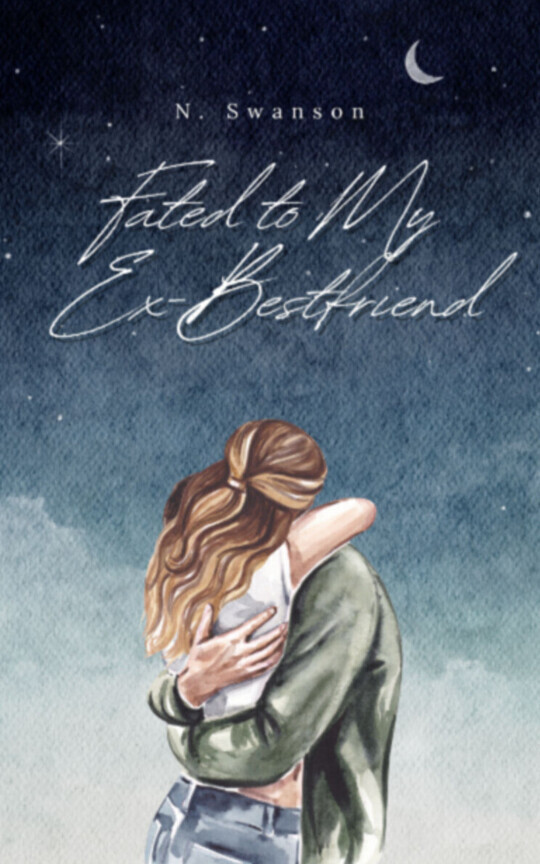
The young woman picked up the book and, for the first time, began to read it. It contained a simple story told across its fifty pages, and an equally simple dedication: “To my daughter.” She remembered her mother in her best days, before illness overtook her, just as capable of running the household as she was of finding time to care for her and tell her anecdotes from her life, always with a moral ending. The volume, which had a brown paperback cover and featured an illustration of a woman’s head with her hair blowing in the wind, made no reference to any publisher or year of publication. For as long as she could remember, the book had been in her mother’s bedroom wardrobe, and although she had held it in her hands before, it was only now, after her mother had passed away, that she allowed curiosity to lead her to read it. The story followed two young people who met by chance in a library and fell in love.
In the afternoon, she asked her aunts about the origin of the text and learned that her mother had written it when she was very young; with her meager savings, she had a local bookbinder print and bind it, so only ten copies were ever made. Anxious about the fate of these books, the young woman learned that, besides the one in her hands, eight others were still in the possession of her relatives, but none could explain the whereabouts of the tenth volume. The thought that her mother had dedicated that single work to her, and yet she had no idea where this last copy could be found, unsettled her; it filled her with deep curiosity and a compelling need to find it. She posted a few notices on the university bulletin board and placed an advertisement in the local newspaper, offering a small reward to anyone who could provide a clue.
A single response reached her through an invitation to the office of a well-known moneylender in the city; somewhat alarmed but determined, she went to the meeting. The man who opened the door was already old, and his face showed the exhaustion of a long life spent being despised; he asked her to follow him to his office down the wide corridor. To the young woman’s surprise, there were no pawned belongings, but rather several shelves filled with books surrounding a small reading desk. The moneylender explained that he had met the young woman’s mother when she came to him for a loan and that, since she could not repay the full amount, and knowing his fondness for reading, she had given him the brown-covered book as partial payment. The joy on the young woman’s face encouraged the old man to return it to her and, unable to reach the top shelf, he called out loudly for his son. When the handsome young man entered the office, their eyes met—just as they had in her mother’s novel.