Prologue: One Photograph
The scent of premium gasoline and humid asphalt always meant midnight in Tokyo.
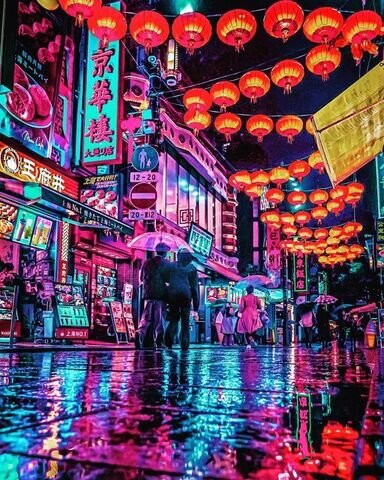


It was a heavy, electric sort of air that clung to your skin, mixing with the sharp tang of aqua mousse hairspray, spilled highballs, and the ozone heat radiating from the massive neon signage hanging over the entrance of Club Solune.
From my vantage point up in the DJ booth, the world down below looked like a living, breathing painting rendered entirely in shades of magenta, violet, and emerald green.
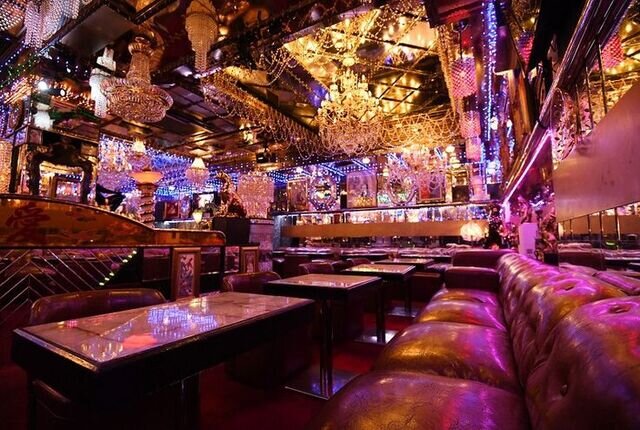
I leaned over the mixer, a wide, dimpled smile pulling at my lips as the crowd down on the lacquer dance floor erupted.
With my left hand, I gently adjusted the pitch slider on the right Technics SL-1200 turntable, aligning the beats before throwing the crossfader over.
A fresh, heavy-weight 12-inch vinyl pressing of a new city pop track dropped its bassline—a thumping, syncopated slap-bass rhythm that pulsed right through the soles of everyone’s leather shoes and vibrated straight into their chests.
"Keep dancing, Tokyo!"
I called out into the microphone, my voice bright and bouncing over the rhythm.
My bleached-blonde hair caught the shifting overhead spotlights every time I tossed my head.
I loved this hour.
I loved the collective exhale of a city that worked grueling fourteen-hour days in high-rise offices and only felt truly alive when the sun went down.
For a few hours every weekend, I wasn't just Shin Sol, a twenty-three-year-old half-Korean kid trying to find his footing in a sprawling concrete jungle.
I was the architect of their euphoria.
I controlled the heartbeat of the room.
But while music was how I captured the energy of a crowd, my camera was how I saved it.
Resting right beside my vinyl crate was my trusted Canon F-1 film camera, its black metal chassis scratched at the corners from years of late-night wandering through Roppongi and Shinjuku.
Whenever a track settled into its groove and the dance floor was moving in perfect synchronization, I would pick it up.
I loved looking through the manual viewfinder, tracking the split-second geometries of human emotion.
A laughing face.
A couple sharing a stolen glance beneath a strobelight.
A single tear cutting through heavy makeup.
I pulled the camera to my eye, looking past the spinning disco ball. I slowly twisted the manual focus ring, letting the crowd blur into beautiful, circular blooms of pink and neon bokeh.
Click.
The mechanical shutter snapped open and closed, locking a piece of the summer of 1987 into a dark strip of celluloid.
"Last call, everyone! Finish your drinks and head out safely into the night!"
Aoi Fujisaki’s voice carried over the fading echoes of the final track.
Down at the mahogany bar, he was already wiping down the counter with a clean white cloth, his movements efficient and practiced.
The heavy double doors of Club Solune stood wide open, letting the cool, damp breeze of the early morning creep inside to chase away the lingering heat of hundreds of bodies.
The patrons slowly trickled out in small, laughing groups.
Women adjusted their padded blazers over shimmering sequined dresses, while men loosened their ties, their leather loafers clicking against the pavement outside as they hailed the sea of glowing green taxi lights lining the street.
I carefully lifted the needle off the final record, slipping the vinyl back into its paper sleeve before sliding it into my crate.
The sudden silence in the club was always jarring—a heavy, ringing quiet that made the space feel twice as large and instantly lonely.
My shoulders dropped as the adrenaline finally began to drain from my system.
"Great set tonight, Sol-chan,"
Aoi called out, tossing his cloth into a bucket beneath the bar.
He looked up at me, offering a tired but warm smile.
"You really had them moving during that mid-tempo City Pop block."
"Thanks, Aoi,"
I said, slinging the strap of my Canon F-1 over my shoulder.
I picked up my heavy canvas bag filled with exposed film canisters.
"The crowd had great energy tonight.
I think the summer heat makes everyone a little wilder."
"Tell me about it. I went through three cases of whiskey before two AM," he chuckled, rubbing the back of his neck.
He glanced at the dark corridor leading toward the back of the building.
"Heading straight into the cave?"
"You know it.
If I don't develop these rolls now, I won't sleep a wink wondering how the shots turned out."
"Don't stay up until sunrise. Misaki-san will kill both of us if you're too exhausted to open the booth next Friday."
"I promise I’ll sleep,"
I laughed, waving a hand over my shoulder as I walked down the steps of the DJ booth.
I walked past the empty booths and the glittering fragments of a dropped cocktail glass, making my way down the narrow, dimly lit hallway behind the stage.
At the very end of the corridor was a small, windowless storage room that Misaki had generously allowed me to convert into a makeshift darkroom.
I stepped inside and locked the door behind me, instantly shutting out the remaining ambient noises of the club.
With a familiar click, I turned off the overhead fluorescent bulb and switched on the heavy red safelight.
Instantly, the small room was bathed in a deep, crimson glow that felt completely removed from the rest of the world.
It was a sacred, quiet space where time seemed to stretch and bend.
I moved with absolute precision.
Years of working with film had turned my movements into pure muscle memory.
In the darkness, I popped open the metal film canisters, carefully winding the delicate, translucent strips of celluloid onto plastic development reels.
I tucked them into the light-tight developing tank, pouring in the chemical developer, then the stop bath, and finally the fixer.
The rhythmic, metallic sloshing of the chemicals inside the tank became the only sound in the room, replacing the thumping basslines that had lived in my ears all night.
After washing the film, I unreeled the wet negatives.
I hung the long, dripping strips from a wire line using small wooden clips.
Holding a magnifying loupe to the wet film, I smiled.
The frames looked sharp.
I could see the inverted silhouettes of regular patrons, their faces frozen in moments of pure, unadulterated joy.
I chose a few promising frames, adjusting the enlarger lens to project the images down onto sheets of photographic paper.
One by one, I slid the exposed sheets into the shallow plastic trays of chemical developer.
I leaned over the tray, my heart fluttering with that familiar, childlike sense of wonder that never truly went away.
Beneath the clear liquid, the images slowly began to materialize out of the white void, emerging like ghosts rising from a red fog.
The first print showed a group of three girls laughing near the edge of the stage, their arms thrown around each other's shoulders.
The second captured Aoi mid-pour, a stream of amber liquid suspended in mid-air like a crystalline ribbon.
Then, I slid the final sheet into the chemical bath.
I gently rocked the plastic tray, watching the surface of the paper.
At first, a faint, dark shape materialized in the center of the frame.
I frowned slightly, leaning closer until my nose was just inches away from the crimson liquid.
I didn't remember taking a portrait near the end of the night.
The composition was entirely different from my usual candid, kinetic shots of the dance floor.
Slowly, the details sharpened, bleeding into the white fibers of the paper with terrifying clarity.It was a man.
He was standing right underneath the glowing neon SOLUNE sign near the back exit of the club.
But he wasn't dressed for a disco.
He wore a heavy, weathered leather jacket that looked strictly functional, its collar turned up against the humid night air.
Tucked tightly under his left arm was a full-face racing helmet, its dark, tinted visor reflecting a sharp, fractured streak of the club's neon light.
My breath hitched in my throat.
His face was completely obscured by the deep shadows of the doorway, save for a sharp, rigid jawline that looked as though it had been carved out of stone.
There was no smile on his face.
No warmth.
He stood completely still, a stoic, immovable monolith in a sea of blurred, dancing bodies.
But it was his posture that made my skin prickle with goosebumps.
Even though his eyes were hidden in the darkness, the angle of his head made it undeniable.
He was looking directly into my lens.
I stared at the print, my mind racing through the thousands of faces I had seen through the viewfinder tonight.
I had no memory of this man.
I had no memory of pressing the shutter button while looking at him.
It was as if my camera had acted on its own, drawn to a gravitational pull that my conscious mind had entirely missed.
He didn't look like he belonged in 1987.
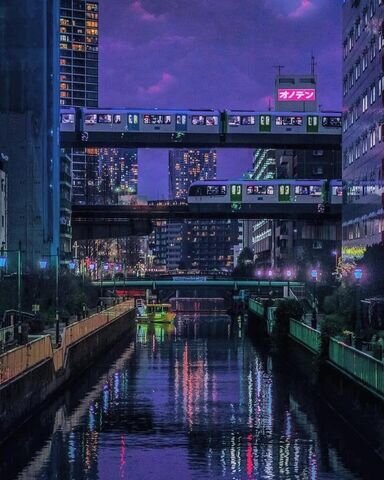
He looked like a phantom that only materialized when the music stopped.
With trembling fingers, I used a pair of plastic tongs to lift the wet photograph out of the developer.
I rinsed it in the stop bath and the fixer, then held it up directly beneath the red safelight.The contrast was striking.
The bright, chaotic neon of Club Solune created a halo around his dark, shadowed silhouette.
He looked completely isolated, a man carrying a heavy, silent universe entirely on his own shoulders.
Who was he?
Why had he come to a disco club just to stand in the shadows and watch the world pass him by?
I used a squeegee to wipe the excess water from the surface of the print, then carried it over to my small wooden workbench.
I picked up a black fine-tip marker.
My hand hovered over the clean, white back of the photographic paper for a long moment.
My chest felt tight, filled with an unexplainable, sudden ache that I couldn't quite categorize.
Slowly,
I pressed the pen to the paper and wrote:
July 18, 1987 — 12:47 A.M.
I let the ink dry for a few seconds.
Then, I reached across the desk and opened a small, tarnished wooden box.
It was where I kept my most treasured photographs—the ones that possessed a strange, lingering magic that I couldn't quite explain to anyone else.
The front of the box had a single word carved into the lid in messy block letters: KEEP.
I placed the photograph of the mysterious stranger inside, right on top of the pile.
As I closed the lid, the heavy click of the latch sounded final, like a lock turning on a door I hadn't meant to open.
I unlocked the back door of Club Solune and stepped out into the alleyway.
The cool, early morning air hit my face, instantly shocking my senses after hours spent under the suffocating warmth of the darkroom lights.
The sky above Tokyo wasn't blue or black; it was a strange, bruised shade of deep indigo, illuminated by the perpetual glow of a million neon billboards that never slept.
I zipped my canvas bag tightly, pulling my denim jacket closer around my frame as I walked toward the main street.
The city was eerily quiet now, save for the distant hum of vending machines and the rustle of newspaper pages blowing across the empty sidewalk.
Then, the silence was shattered.From a few blocks away, a deep, mechanical growl tore through the night air.
It wasn't the high-pitched whine of a standard commercial car, nor was it the heavy rumble of a delivery truck.
It was a vicious, finely tuned roar—the unmistakable sound of a highly modified turbocharged engine screaming for release.
I stopped dead in my tracks, my boots freezing on the asphalt.
A sleek, dark sports car burst onto the wide, empty avenue just half a block ahead of me.
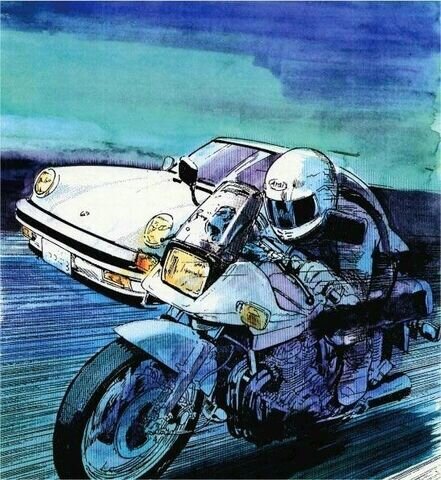
It moved with terrifying speed, a blur of shadow and metal that seemed to defy gravity as it tore past the neon-lit storefronts.
As it reached the entrance of the Shuto Expressway ramp, the driver downshifted.
The exhaust popped like gunfire, a sharp burst of blue flame erupting from the tailpipe before the car surged forward, climbing the concrete ramp and disappearing into the elevated maze of the Tokyo expressways.
I stood there, my heart hammering violently against my ribs, moving to a completely different tempo than the disco beats from hours before.
I stared at the empty space where the car’s twin red taillights had just vanished into the darkness, leaving behind nothing but the heavy scent of burning rubber and high-octane fuel.
An unexplainable, magnetic pull tugged at the center of my chest.
I looked down at my canvas bag, thinking of the wooden box sitting locked inside the club.
I didn't know who was behind that wheel, or where they were racing to in the dead of night.
But as the distant echo of the engine finally faded into the Tokyo skyline, a terrifying realization washed over me.
My camera had caught a phantom tonight.
And somehow, I knew the shadows were about to catch up to me.