
The Ash Room
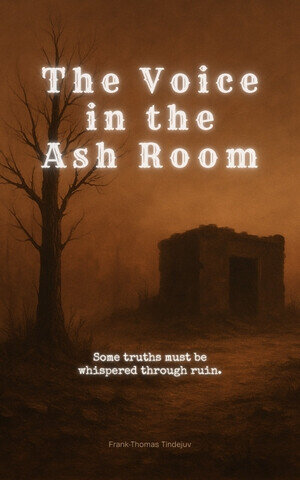
The room breathed dust. Not just in the air, but in the corners of memory too. It gathered on the window ledge like old regret, clung to the shelves like years never spoken aloud. Thomas T. Franck sat in the corner, back against the wall, knees drawn up, arms slack. The flame of a single candle twitched as if it too were unsure whether to stay alive.
The silence wasn’t hollow. It was heavy. The kind that knows your name.
Around him, the remnants of too many lives lay scattered: a sealed black notebook with a cracked spine, a coil-bound radio manual that had once smelled of metal and cigarettes, a disassembled microphone that still held the shape of his breath. And a small, grey photo in a chipped frame—its subject blurred from time and from being touched too many times without being truly seen.
He hadn’t spoken in three days.
Not because of grief. Not because of fear. But because he was tired of hearing his own voice come back empty.
He’d once been many things. Each title had come with a role, each role with a costume, and each costume eventually burned. Now he was none of them. Not a speaker. Not a teacher. Not even a man trying to be heard.
Just here. In the ash.
He looked at the notebook, but didn’t touch it. He looked at the mic, and still didn’t move.
The candle faltered. Then steadied.
Thomas closed his eyes. The air around him felt full—not of ghosts, but of echoes. If there was a way back to anything, it wouldn’t come through a scream. It would come through listening.
Outside, wind brushed against the pane. But inside, the ash did not stir.
He waited. And the room waited with him.
The breath he finally took didn’t break the silence.
It joined it.







