Chapter 1
In today’s digital landscape, information is abundant—but insight into human emotion remains largely untapped. RAA Vision seeks to change that by introducing an emotional intelligence layer for the internet: a decentralized infrastructure designed to detect, measure, and respond to human sentiment in real time.
Rather than simply tracking behavior, this system identifies the emotional forces that drive behavior. From anxiety to euphoria, the neuro-layer captures the invisible pulse of online communities.
A Framework Rooted in Emotion
Traditional platforms often reduce users to numbers—clicks, impressions, transactions. RAA’s model recognizes that every action begins with a feeling. Their protocol is built to surface those emotions at scale and integrate them into digital systems.
At the core of the neuro-layer is a pipeline of advanced tools:
Emotion Detection Engines scan millions of online messages to identify patterns of collective sentiment.
Language Models interpret tone, urgency, and emotional weight from text, assigning precise scores to emotional intensity.
Behavioral Metrics map mood trends across time, allowing the system to sense spikes in fear, irrational optimism, or panic.
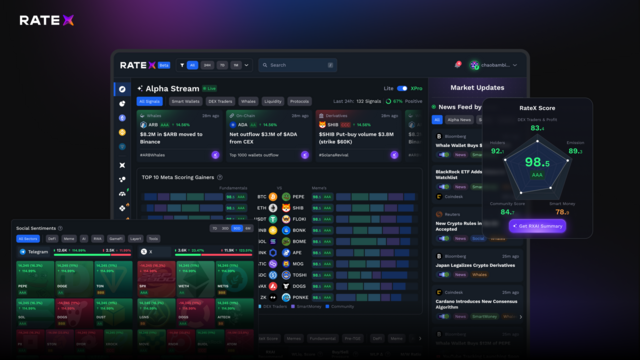
Real-Time Dashboards deliver this data to users through intuitive interfaces, supporting more grounded decision-making.
Tools for Traders, Creators, and Digital Citizens
In highly reactive environments like financial markets, emotional shifts often precede market moves. The neuro-layer enables traders to recognize when collective fear is building or when hype is reaching unsustainable levels.
But its utility extends far beyond finance. Creators can test how their audiences emotionally respond to content. Community managers can monitor mood health in real time. Even AI agents can be designed to factor emotion into automated decisions—offering more nuanced and human-centered interactions.
Tokenized Participation and Intelligence Sharing
At the center of this system is the $RAA token, which serves both as an incentive and a governance mechanism. Contributors who improve models, create behavioral agents, or build new tools can be rewarded directly. Community voting ensures that development reflects the values of those who use it.
This token-driven model fosters a decentralized intelligence ecosystem—where behavioral data becomes a shared resource, not a corporate asset.
The Future of Emotion in Web3
What RAA proposes is more than a protocol. It is a philosophical shift toward internet systems that listen—not just to words, but to the emotions behind them.
Incorporating emotional context into Web3 applications opens possibilities that go far beyond analytics. Imagine decentralized networks that automatically respond to stress signals within a community. Or marketplaces that adjust based on real-time mood indicators. Or DAOs that weight decisions not just by vote count, but by the emotional conviction behind each proposal.