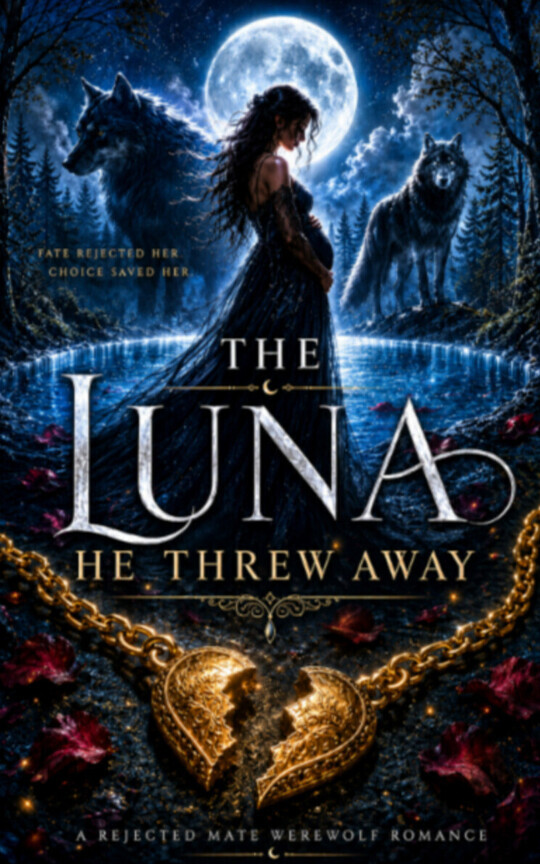
Prologue — The Huntsman’s Daughter
Elaris glittered like a dream where day kissed the mountains and vineyards bled their sweet harvest into the goblets of the high-born. Banners snapped bright-blue over white walls, and the palace rose from terraced gardens like an alabaster tide turned to stone.
From her balcony, Princess Serenya watched her father’s hunters return at dusk—always at dusk, when the last light made everything beautiful and harmless. The horses came first, steaming and proud; then the carts with their trophies beneath tarps of oiled canvas. She’d been nine the first time she saw the tarps peeled back for the nobles’ applause: pelts like moonlight, claws like polished horn, a skull with fangs that flashed like pearls. The court had called King Althar brave. The bards had called him savior. He had lifted Serenya into his arms onto the dais while the crowd roared.
“My lioness,” he had said into her hair. “You are safe because I am ruthless.”
She had believed him. She had believed him the way children believe the sea will always answer the sky.
Years blurred the raw shock into a polished shape. The pelts were mounted in the hunting hall. A tapestry was commissioned: the king stands over a slain wolf-thing, spear driven through its heart, the beast halfway between man and nightmare. Serenya learned to pass it without looking. She learned to speak the court’s favored words—order and safety and purity—until the words felt like bracelet-chains she was supposed to call jewels.
And then she met the man whose eyes were the hungry color of autumn leaves when the wind has already claimed them.
Kael.
He came to court as a sword from the north, risen from mercenary to general on a tide of bloody victories. The first time he bowed to her father, sunlight slid along the scars on his knuckles, and Serenya, who had long accepted that her body was a treaty-seal her father would one day stamp on an alliance, felt something warm and dangerous open low in her belly. She told herself it was curiosity.
She told herself many things.
All of them became lies the night she took off her slippers and stepped into the rose garden where he waited between the hedges, breathing like a man trying not to bite.
She went because she was tired of being safe. She went because she wanted to burn.
She went because she was the huntsman’s daughter, and she had never learned what it meant to be the hunted.