
Chapter 1
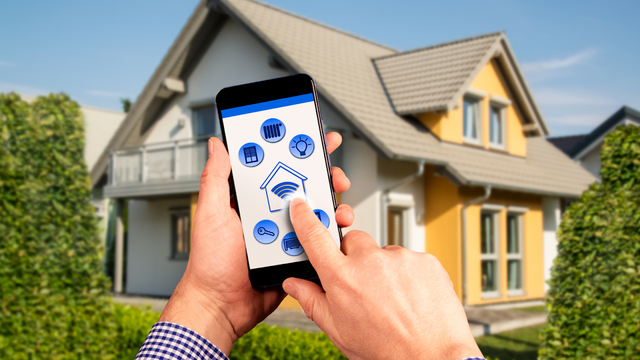
Modern living demands smarter solutions, and your home should work as hard as you do. According to MarketsandMarkets, the global smart home market is expected to grow from $76.6 billion in 2020 to $151.4 billion by 2024, at a Compound Annual Growth Rate (CAGR) of 12.1% during the forecast period.
This explosive growth isn’t just about trends—it’s about transforming daily routines through smart home upgrades that deliver real convenience and efficiency.
Embracing a Seamless Digital Lifestyle
The United Kingdom has emerged as a significant market for connected technology adoption, with consumers increasingly embracing digital solutions that simplify their lives. This tech-forward approach extends beyond traditional computing into mobile connectivity solutions.
For travelers and remote workers, having reliable mobile data access becomes crucial, and services like esim for uk (https://maya.net/esim/uk) provide instant connectivity without the hassle of physical SIM cards, reflecting the broader trend toward digital convenience that defines modern smart living.
Now that we’ve explored the transformative potential of smart home technology, let’s dive into the foundational devices that will instantly revolutionize your daily routine.
Essential Smart Home Devices for Instant Convenience
These core devices form the backbone of any connected home, offering immediate improvements to your daily life. They’re designed to work together seamlessly while providing standalone benefits that you’ll notice from day one.
Voice-Controlled Smart Assistants and Hubs
Voice assistants have become the command center for modern homes. Amazon Echo, Google Nest, and Apple HomePod offer hands-free control over multiple systems through simple voice commands.
These devices integrate with third-party services, managing everything from weather updates to grocery lists. Multi-room audio capabilities mean you can start music in the kitchen and continue it in the living room without missing a beat.
Intelligent Lighting Systems
Smart home devices like Philips Hue and LIFX transform ordinary lighting into dynamic, responsive illumination. These systems adjust color temperature throughout the day, supporting your natural circadian rhythms for better sleep quality.
Motion-activated pathway lighting provides safety and convenience, while energy monitoring features help reduce electricity costs. Color-changing bulbs can shift from bright task lighting to warm ambient tones instantly.
Smart Climate Control Solutions
Modern thermostats learn your schedule and preferences, automatically adjusting temperature for optimal comfort and energy efficiency. Zoned HVAC systems allow individual room control, eliminating arguments over temperature settings.
Air quality monitoring features detect pollutants and adjust ventilation accordingly. Integration with weather forecasting enables predictive heating and cooling, ensuring your home is always comfortable when you arrive.
While these essential devices provide immediate convenience, the real magic happens when you layer on advanced automation systems that anticipate your needs before you even think of them.
Advanced Home Automation for Maximum Efficiency
Home automation takes smart living to the next level by creating interconnected systems that work together intelligently. These advanced solutions reduce daily friction while enhancing security and functionality.
Smart Security and Access Control
Biometric door locks eliminate the need for keys while providing secure access through fingerprints or facial recognition. Temporary access codes allow service providers or guests to enter without compromising long-term security.
AI-powered video doorbells detect packages and differentiate between visitors and delivery personnel. Integrated security cameras with facial recognition can identify family members versus strangers, sending appropriate alerts to your smartphone.
Kitchen and Appliance Automation
Smart refrigerators with inventory management track expiration dates and suggest recipes based on available ingredients. Voice-controlled cooking appliances allow hands-free operation while you’re multitasking.
Automated coffee makers start brewing based on your alarm schedule, ensuring fresh coffee awaits when you wake up. Smart home convenience extends to water leak detection systems that automatically shut off water supplies when problems occur.
Bathroom and Wellness Technology
Smart mirrors display health metrics, weather updates, and calendar appointments while you prepare for the day. Automated shower systems remember temperature preferences for each family member, eliminating the guesswork.
Advanced toilet technology includes bidet functions and seat warming, while humidity control systems maintain optimal comfort levels. These upgrades transform routine activities into luxurious experiences.
Beyond traditional automation lies a realm of cutting-edge innovations that push the boundaries of what’s possible in modern home living.
Cutting-Edge Smart Home Convenience Features
The latest innovations in smart home technology go beyond basic automation to create truly futuristic living experiences. These advanced features represent the pinnacle of convenience and efficiency.
Robotic Home Maintenance
Advanced robot vacuums with room mapping technology clean your home systematically, avoiding obstacles and returning to charging stations automatically. Robotic lawn mowers maintain perfect grass length while you focus on other activities.
Pool cleaning robots monitor chemical levels and adjust treatments automatically. Window cleaning robots tackle multi-story homes, ensuring crystal-clear views without dangerous ladder climbing.
Smart Storage and Organization
Automated garage door systems respond to your smartphone’s proximity, opening as you approach and closing after you leave. Smart closet organization tracks clothing inventory and suggests outfits based on weather conditions.
Motorized storage solutions provide accessibility benefits for seniors or individuals with mobility challenges. Smart pantry management systems track food supplies and automatically reorder essentials through connected grocery services.
Entertainment and Connectivity Upgrades
Whole-home Wi-Fi 6E mesh networks eliminate dead zones and provide lightning-fast internet throughout your property. Smart TV integration optimizes streaming quality based on available bandwidth and content preferences.
Gaming rooms benefit from automated lighting and climate control that adjusts based on activity levels. Home theater systems with voice control create cinema-quality experiences without complex remote controls.
As impressive as these convenience features are, today’s smartest homeowners are also prioritizing technologies that reduce their environmental footprint while slashing utility costs.
Energy Management and Sustainability
According to the U.S. Department of Energy, smart home technologies can help reduce energy consumption by up to 30%. This significant reduction comes from intelligent systems that optimize resource usage automatically.
Solar and Battery Integration
Smart solar panels adjust positioning based on weather predictions, maximizing energy generation throughout the day. Home battery systems store excess energy and integrate with the electrical grid for optimal cost savings.
Electric vehicle charging stations schedule charging during off-peak hours when electricity rates are lowest. Energy usage analytics provide detailed insights into consumption patterns, helping identify further optimization opportunities.
Water Conservation Technology
Smart irrigation systems monitor soil moisture levels and adjust watering schedules based on weather forecasts and plant needs. Greywater recycling systems repurpose water from sinks and showers for landscape irrigation.
Smart water heaters learn usage patterns and heat water only when needed, reducing standby energy losses. Comprehensive leak detection systems throughout the home prevent waste and costly water damage.
Smart energy management creates a foundation for the next frontier in home automation: technology that actively monitors and enhances your physical and mental well-being.
Health and Wellness Smart Home Integration
Modern smart home upgrades extend beyond convenience to actively promote healthier living through environmental monitoring and automated wellness features.
Air Quality and Environmental Control
Smart air purifiers detect specific pollutants and adjust filtration intensity automatically. Humidity control systems maintain optimal moisture levels for respiratory health and comfort.
UV sanitization systems clean surfaces and air without harsh chemicals, while allergen monitoring provides real-time alerts for sensitive individuals. These systems work together to create the healthiest possible indoor environment.
Sleep and Relaxation Technology
Smart mattresses track sleep patterns and adjust firmness based on your sleep stage and position. Automated bedroom environment control manages temperature, humidity, and lighting for optimal rest conditions.
White noise systems adapt soundscapes based on external noise levels, while morning wake-up light simulation gradually increases illumination to support natural circadian rhythms. These features transform your bedroom into a wellness sanctuary.
While current health and wellness integrations are impressive, emerging technologies promise even more sophisticated ways to create the perfect living environment.
Future-Proof Smart Home Technologies
The next generation of smart home devices will incorporate artificial intelligence and machine learning to create truly predictive living environments that anticipate your needs.
Emerging AI and Machine Learning Features
Predictive maintenance systems will alert you to potential device failures before they occur, preventing inconvenient breakdowns. Behavioral pattern learning creates personalized automation that adapts to your changing routines.
Integration with health monitoring devices provides comprehensive wellness insights, while smart grocery ordering systems track consumption patterns and automatically reorder essentials. These features create a truly autonomous living experience.
Next-Generation Connectivity
5G integration enables ultra-fast response times for real-time applications and streaming. Edge computing processes data locally for enhanced privacy and reduced latency. Blockchain-based device security provides unprecedented protection against cyber threats. Internet of Things (IoT) expansion capabilities ensure your system can grow with emerging technologies.
With so many exciting possibilities on the horizon, the key question becomes: how do you strategically implement these technologies without overwhelming your budget or timeline?
Implementation Strategies and Best Practices
Successful smart home technology adoption requires careful planning and strategic implementation. The key is starting with high-impact upgrades and building systematically.
Phased Installation Approach
Begin with priority upgrades that deliver immediate convenience benefits, such as smart lighting and thermostats. Budget-friendly starter packages allow you to experience benefits without a major investment.
Professional installation ensures optimal performance for complex systems, while DIY options work well for simpler devices. Timeline planning minimizes disruption to your daily routine during the transition period.
Integration and Compatibility
Choose compatible ecosystems (Google, Amazon, Apple) that work seamlessly together. Avoid vendor lock-in situations by selecting devices that support multiple platforms.
Future upgrade pathways should remain flexible as technology evolves. Cross-platform functionality ensures your investment remains valuable even if you switch ecosystems later.
Smart planning is essential, but understanding the financial impact of your smart home investments will help you make decisions that deliver both convenience and long-term value.
Cost-Benefit Analysis and ROI
Smart home convenience comes with upfront costs, but the long-term benefits often justify the investment through energy savings and increased property value.
Initial Investment vs. Long-term Savings
Energy cost reductions from smart thermostats and lighting can save hundreds of dollars annually. Insurance premium discounts for security upgrades provide additional ongoing savings.
Property value increases make smart home investments particularly attractive for homeowners planning to sell. Maintenance cost savings through automation reduce the need for expensive service calls.
Financing and Incentive Options
Government rebates for energy-efficient upgrades can significantly reduce installation costs. Utility company incentive programs often provide rebates for smart thermostats and other energy-saving devices.
Smart home financing options allow you to spread costs over time while enjoying immediate benefits. Tax credits for sustainable technology further improve the financial equation.
While the financial benefits are compelling, protecting your investment and personal data requires careful attention to security measures that many homeowners overlook.
Security and Privacy Considerations
Smart home security involves both digital protection and physical safety measures. Proper implementation ensures your connected home remains safe and private.
Data Protection Best Practices
Network security requires dedicated smart home networks separate from your main internet connection. Regular firmware updates patch security vulnerabilities and maintain optimal performance.
Privacy settings optimization gives you control over data collection and sharing. Secure remote access setup allows monitoring without compromising your home’s security.
Physical Security Enhancements
Backup power systems ensure critical devices remain operational during outages. Fail-safe mechanisms for smart locks prevent lockouts during technical failures.
Emergency override procedures provide manual control when automated systems malfunction. Integration with professional monitoring services adds an extra layer of security protection.
Your Smart Home Questions Answered
1. How much do complete smart home systems typically cost?
Complete systems range from $2,000 for basic setups to $20,000+ for luxury installations. Most homeowners spend $5,000-$10,000 for comprehensive automation, including lighting, security, and climate control.
2. Which smart devices provide the best return on investment?
Smart thermostats, LED lighting, and security systems offer the highest ROI through energy savings and insurance discounts. These devices typically pay for themselves within 2-3 years.
3. Do smart homes work during power outages?
Battery backup systems keep essential devices operational during outages. Many smart devices include backup power, while others offer manual override options for emergency situations.
Your Connected Future Starts Today
Smart home upgrades represent more than technological advancement-they’re about reclaiming time, enhancing security, and creating living spaces that adapt to your needs. From voice-controlled lighting to AI-powered home automation, these innovations transform daily routines into effortless experiences. The key is starting with devices that address your specific pain points, then building a comprehensive ecosystem over time. With proper planning and implementation, your home can become a sanctuary of convenience that works as hard as you do.







