
Chapter 1
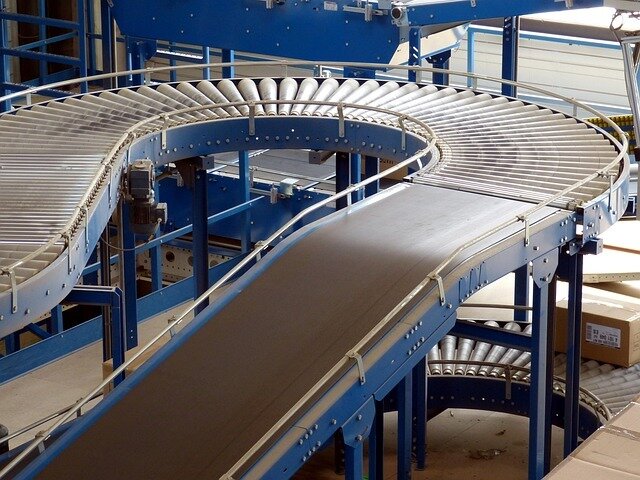
Introduction to Conveyor Crossovers
In material handling environments, efficiency and safety are the highest priorities. Warehouses, distribution centers, factories, and fulfillment facilities depend on conveyor systems to move goods rapidly from one point to another. As these systems expand, they introduce new logistical challenges, especially when they intersect with pedestrian pathways. Conveyor crossovers solve these challenges by creating structured, secure routes for workers to pass over or around conveyors without interrupting workflow. A conveyor crossover is essentially a raised structure or designed passage that allows personnel to safely cross active conveyor lines, supporting both operational continuity and workplace safety.
Why Conveyor Crossovers Are Necessary
As companies scale operations, conveyor lines often stretch across large sections of a warehouse. Without dedicated crossovers, workers may need to walk long distances around conveyors, leading to delays, inefficiency, and fatigue. More importantly, crossing directly through active conveyor paths can create hazards. Conveyor crossovers eliminate these problems by offering direct and secure routes across lines. This makes facility layouts more flexible because conveyor runs no longer need to be designed around pedestrian zones. The result is faster movement of both goods and personnel, better use of floor space, and fewer unsafe behaviors. Over time, crossovers become essential parts of lean facility design where every element supports efficiency and worker wellbeing.
Types of Conveyor Crossover Designs
[Conveyor crossover](https://inclineindustrialservices.com/platforms-mezzanines-crossovers/)s come in multiple configurations depending on the needs of each facility. The most common form is the crossover bridge, a raised platform with stairs leading up and over the conveyor line. This design works well when conveyors are permanent and high-volume. Some facilities use crossover ladders, which take up less space and suit areas with lower foot traffic. Catwalk-style crossovers are installed when there are multiple conveyor lines or elevated equipment platforms. In modern automated facilities, crossovers may integrate with mezzanines or maintenance platforms to allow technicians easy access for inspection and service work. Despite design variations, the purpose remains consistent: providing a structured way to move across conveyor paths without interfering with equipment or workflow.
Material and Structural Considerations for Crossovers
Structural integrity is a key factor in conveyor crossover design. These systems are typically constructed using steel because it offers durability, load-bearing capacity, and longevity. Platforms must support the weight of workers, tools, and occasional maintenance equipment, so slip-resistant surfaces and reinforced steps are common. Handrails and guardrails are included to protect workers while ascending and descending. In environments such as food processing or pharmaceuticals, stainless steel may be used due to hygiene requirements. In heavy industrial settings, carbon steel with powder-coated finishes may be preferred for corrosion resistance. Designing a crossover also involves determining the appropriate clearance height so that conveyors, packages, and automated machinery can operate underneath without obstruction.
Ergonomics and Safety Features
The primary function of conveyor crossovers revolves around safety, so ergonomics cannot be overlooked. Stair rise and tread must comply with industrial safety standards, ensuring comfortable and stable footing. Slip-resistant treads help reduce the risk of falls, especially in facilities where liquids, dust, or humidity are present. Proper handrails and landing platforms give workers stability during ascent and descent. Signage may be added to direct foot traffic and prevent misuse. In facilities using automated robotic equipment, crossovers help establish physical separation between humans and machines, supporting broader safety protocols. These features collectively reduce workplace injuries, downtime, and liability risks, making the investment in crossovers beneficial from both human and operational perspectives.
Integration with Automated Conveyor Systems
Automation is rapidly transforming material handling. Modern conveyor systems may include sensors, sortation units, diverters, automated guided vehicles, and robotic arms. In these environments, conveyor crossovers support the smooth coexistence of human workers and automated systems. By isolating walking paths from robotic zones, crossovers reduce interference that could disrupt machine timing or throughput. They also allow maintenance technicians to access systems from above rather than halting automation to approach equipment directly. In high-throughput facilities where every second matters, crossovers help maintain consistent traffic flow for both goods and personnel. As automation continues to expand, crossovers will become increasingly integrated into the planning and layout phase rather than added later.
How Conveyor Crossovers Improve Efficiency
Product movement is only one component of a functioning distribution environment. Human movement is equally important. Conveyor crossovers enhance efficiency by shortening worker travel time and reducing bottlenecks near busy lines. Technicians, pickers, and supervisors can move quickly to different areas without detouring. Over a single shift, these time savings compound significantly, especially in large facilities. They also support continuous machine operation, since conveyors do not need to be stopped to allow personnel to cross. In fast-paced environments such as e-commerce fulfillment centers, these gains translate into higher throughput and smoother shift operations. For facilities focused on optimizing productivity, crossovers play a quiet but essential role.
Designing Conveyor Crossovers for Facility Layouts
Successful crossover installation begins with thoughtful layout planning. Engineers must consider conveyor height, package clearance, traffic frequency, and available space. If conveyors run at waist height, raised platforms are ideal. If conveyors are overhead, catwalks or ladders may suffice. Traffic frequency influences platform size because high-traffic zones require wider walkways to prevent congestion. Regulatory codes and internal safety policies also influence design choices, especially in industries with strict compliance standards. Maintenance access needs are equally important, since many crossovers double as equipment service platforms. The crossover design process therefore blends engineering, safety, and operational planning into a single solution tailored to each facility.
Industries That Rely on Conveyor Crossover Systems
Many sectors benefit from conveyor crossovers, especially those that depend on automated or semi-automated material flow. Manufacturing plants use crossovers to support assembly-line access. Warehousing and e-commerce fulfillment centers depend on crossovers to manage human movement among fast-moving conveyors. Food and beverage processing facilities install stainless steel crossovers for sanitary environments. Pharmaceutical plants use them to maintain controlled movement patterns between clean zones. Postal and parcel distribution hubs rely on crossovers for rapid sorting and scanning operations. Although each industry has unique needs, the common theme is that conveyor crossovers provide safe access without interrupting product flow, making them universal solutions in material logistics.
Installation and Maintenance Considerations
Proper installation ensures that conveyor crossovers function as intended throughout their lifecycle. Engineers must verify that the structure is anchored securely, aligned properly with walkway paths, and compatible with conveyor support frames. Ground conditions and floor thickness must be assessed for weight loads. Once installed, crossovers require routine inspection to maintain safety. Checking for loose hardware, debris on steps, and surface wear helps prevent accidents. In facilities where cleaning chemicals or washdowns are common, materials must be evaluated for corrosion resistance. Scheduled maintenance allows companies to prevent small issues from developing into safety hazards, supporting long-term operational reliability.
The Future of Conveyor Crossovers in Modern Facilities
As facilities embrace automation, robotics, and advanced material handling, conveyor crossovers will continue to evolve. Future designs may include enhanced modularity, allowing companies to reposition or expand crossovers as layouts change. Lightweight structural materials may reduce installation time and increase adaptability. Digital integration is another possibility, with signage systems, sensors, or automated gate locks that align with warehouse management software. With worker safety regulations growing stricter worldwide, demand for professionally engineered crossovers will expand. Far from being static overhead bridges, crossovers will continue to develop into multifunctional platforms that balance safety, efficiency, and flexibility within the modern logistics environment.
Conclusion
Conveyor crossovers serve as vital infrastructure in any facility that uses conveyor systems for material transport. They protect workers by offering safe passage over active equipment while supporting operational efficiency and ergonomic movement. By integrating safety features, robust materials, and thoughtful design, crossovers reduce workplace hazards and eliminate inefficiencies caused by detours or interruptions. Industries of all sizes depend on conveyors to satisfy increasing production and distribution demands, making crossovers a core feature of modern industrial architecture. As automation and facility design continue to advance, conveyor crossovers will remain an essential solution that connects human operations with machine-driven logistics.







