
Why Asbestos Testing Matters in Older Canadian Properties
Why Asbestos Testing Matters in Older Canadian Properties
Asbestos was once considered a highly effective construction material because of its heat resistance, durability, and insulation properties. Across Canada, especially in buildings constructed before the 1990s, asbestos-containing materials were widely used in homes, commercial buildings, schools, warehouses, and industrial facilities.
Today, asbestos exposure remains a serious health concern for property owners, tenants, contractors, and renovation teams. Disturbing asbestos-containing materials can release microscopic fibers into the air, which may lead to severe respiratory illnesses over time.
If you own or manage an older property, professional asbestos testing is one of the safest and most important steps before starting renovations, demolition, or restoration work.
For homeowners and businesses searching for asbestos testing or asbestos testing Port Moody services, understanding where asbestos is commonly found can help identify potential risks early.
What Is Asbestos?
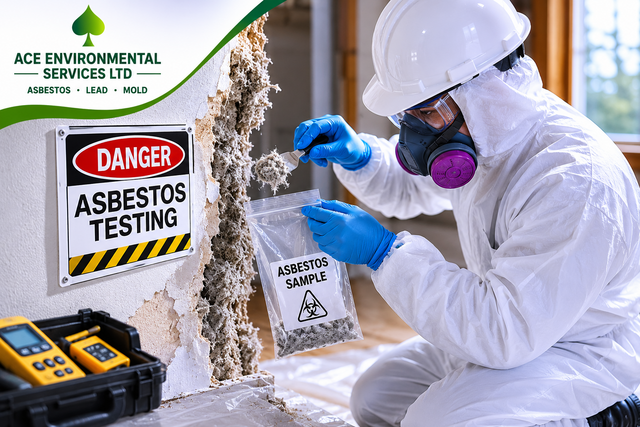
Asbestos is a naturally occurring mineral made up of heat-resistant fibers. Due to its fireproofing and insulating abilities, it became a common material in Canadian construction throughout much of the 20th century.
Although Canada officially banned asbestos use in recent years, many older buildings still contain asbestos materials hidden behind walls, ceilings, flooring, and insulation.
Asbestos is generally considered low-risk when left undisturbed. However, cutting, drilling, sanding, breaking, or renovating asbestos-containing materials can release dangerous airborne fibers.
That is why certified asbestos testing is essential before any renovation or demolition project.
Common Places Asbestos Is Found in Canadian Buildings
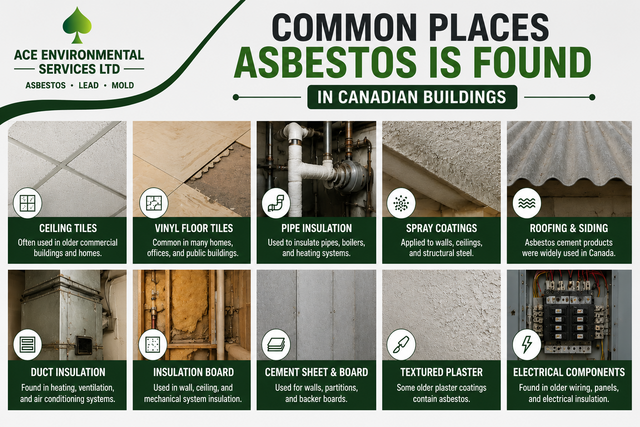
Older residential and commercial properties across British Columbia and Canada may still contain asbestos in multiple areas. Below are some of the most common locations.
1. Popcorn Ceilings and Textured Ceilings
Textured ceilings, commonly called popcorn ceilings, were widely installed in homes built between the 1950s and 1980s.
Many of these ceiling materials contained asbestos to improve fire resistance and durability.
If you plan to remove, scrape, repair, or renovate textured ceilings, professional asbestos testing should always be completed first.
Common Signs:
Rough or textured ceiling surfaces
Older ceiling finishes
Cracking or water-damaged ceiling areas
Renovations in pre-1990 homes
2. Vinyl Floor Tiles and Adhesives
Vinyl floor tiles and the adhesives used beneath them frequently contained asbestos in older Canadian buildings.
Even if the flooring appears intact, removal during renovations can disturb asbestos fibers.
Professional asbestos testing helps determine whether flooring materials require specialized removal procedures.
Areas Most Commonly Affected:
Basements
Kitchens
Commercial office spaces
Schools and institutional buildings
Laundry rooms
3. Pipe Insulation
Older heating systems often used asbestos insulation around pipes, boilers, and ducts.
This material was popular because it could withstand high temperatures and reduce fire risks.
Pipe insulation containing asbestos can become extremely hazardous if deteriorating, damaged, or disturbed during repairs.
Warning Signs:
White or gray wrap around pipes
Crumbling insulation material
Aging boiler systems
Dust accumulation around insulation
4. Drywall Joint Compound
Many drywall compounds manufactured before the 1990s contained asbestos fibers.
This means walls and ceilings in older homes may contain asbestos even if the drywall itself does not.
Cutting into walls during renovations without proper asbestos testing may expose workers and occupants to airborne contamination.
High-Risk Renovation Activities:
Wall demolition
Electrical work
Plumbing modifications
Kitchen renovations
Basement finishing projects
5. Vermiculite Attic Insulation
Vermiculite insulation was commonly installed in Canadian attics and may contain asbestos contamination.
One of the most recognized forms is loose-fill insulation made from vermiculite mined from contaminated sources.
Because attic insulation can easily release airborne fibers, homeowners should avoid disturbing it without professional inspection.
Common Characteristics:
Pebble-like insulation texture
Gray-brown or silver-gold appearance
Loose-fill attic insulation
Older attic insulation materials
6. Roofing Materials and Shingles
Asbestos was frequently used in roofing products because of its durability and weather resistance.
Older roof shingles, felt paper, flashing materials, and roofing adhesives may contain asbestos.
Roof repairs, storm damage restoration, and reroofing projects should include asbestos testing before work begins.
7. Cement Board and Siding
Asbestos cement products were commonly used in exterior siding, wall panels, and cement boards.
These materials can still be found in many older residential and commercial buildings throughout Port Moody and surrounding areas.
While asbestos cement products are generally safer when intact, drilling or breaking them can release fibers into the air.
8. HVAC Duct Insulation
Heating and ventilation systems in older buildings may contain asbestos insulation around ducts.
This can become a major concern during HVAC upgrades, furnace replacements, or ventilation repairs.
Professional asbestos testing helps identify contamination before construction work begins.
9. Ceiling Tiles
Older acoustic ceiling tiles in offices, schools, and commercial properties sometimes contained asbestos.
These materials may deteriorate over time due to moisture damage or aging.
Before replacing ceiling systems, asbestos testing is strongly recommended.
10. Bathroom and Kitchen Materials
Bathrooms and kitchens often included asbestos-containing products due to moisture resistance.
These may include:
Tile backing
Wall panels
Caulking materials
Adhesives
Flooring underlayment
Renovating older kitchens and bathrooms without asbestos testing may create serious health and legal risks.
Why Professional Asbestos Testing Is Important
Asbestos materials cannot always be identified visually. Many dangerous materials look similar to non-asbestos products.
Certified asbestos testing involves:
Material inspection
Safe sample collection
Laboratory analysis
Risk assessment
Professional recommendations
Property owners should never attempt to collect asbestos samples without proper safety procedures.
Professional asbestos testing helps:
Protect occupants and workers
Prevent airborne contamination
Meet legal safety requirements
Avoid costly cleanup issues
Ensure safe renovation planning
Health Risks Associated With Asbestos Exposure
Exposure to airborne asbestos fibers may lead to serious long-term health conditions.
Common Health Risks Include:
Asbestosis
Lung cancer
Mesothelioma
Respiratory irritation
Chronic breathing problems
The risk increases when asbestos materials are disturbed during construction, demolition, sanding, or renovation activities.
Because symptoms may take years to appear, prevention and early asbestos testing are critical.
When Should You Schedule Asbestos Testing?
Property owners should consider professional asbestos testing in the following situations:
Before Renovations
Any demolition, remodeling, or renovation work in older buildings should begin with asbestos testing.
Before Property Purchases
Buyers of older homes and commercial buildings may benefit from identifying asbestos risks before closing.
After Water or Fire Damage
Damage can weaken asbestos-containing materials and increase contamination risks.
Before Demolition
Demolition projects often require asbestos inspections to comply with safety regulations.
If Materials Appear Damaged
Cracked insulation, broken tiles, or deteriorating ceiling materials should be professionally assessed.
Asbestos Testing in Port Moody
Older homes and commercial buildings in Port Moody may still contain asbestos materials hidden in ceilings, insulation, flooring, walls, and roofing systems.
As redevelopment and renovation projects continue across the area, professional asbestos testing port moody services have become increasingly important for homeowners, contractors, and property managers.
Testing before renovations helps reduce health risks, prevent project delays, and ensure compliance with safety standards.
How the Asbestos Testing Process Works
Professional asbestos testing typically includes several important steps.
1. Initial Property Inspection
A trained inspector evaluates areas where asbestos-containing materials may be present.
2. Sample Collection
Small material samples are carefully collected using safety procedures designed to minimize airborne fibers.
3. Laboratory Analysis
Samples are analyzed by certified laboratories to confirm the presence or absence of asbestos.
4. Reporting and Recommendations
Property owners receive detailed findings and guidance regarding removal, containment, or monitoring.
Tips for Property Owners
If you suspect asbestos in your property, avoid disturbing materials until professional testing is completed.
Important Safety Tips:
Do not drill into old walls or ceilings
Avoid removing textured ceilings yourself
Never sand old flooring materials
Keep damaged insulation untouched
Hire certified asbestos professionals
Preventive asbestos testing is far safer and more affordable than dealing with contamination after exposure occurs.
Final Thoughts
Asbestos can still be found in many older Canadian homes and commercial properties, especially in materials such as insulation, flooring, ceilings, drywall compounds, roofing products, and pipe insulation.
Understanding the common places asbestos is found helps property owners make safer decisions before renovations or demolition projects begin.
Whether you are planning a renovation, purchasing an older property, or addressing potential contamination concerns, professional asbestos testing is essential for protecting your health and ensuring regulatory compliance.
For homeowners and businesses searching for asbestos testing or asbestos testing Port Moody services, early inspection and laboratory analysis can help identify hidden hazards before they become dangerous.







