
Prologue
The private jet descended in a silent, seamless glide toward the dawn-lit skyline of a city he hadn’t seen in a year and a half: Greengate.
From above, Lancelot Nichols watched the familiar view pierce through the morning haze, a landscape that held every memory of his life.
Greengate looked exactly the way he remembered it. The entire city sat inside a near-perfect circle, enclosed by a calm river, as if it had been deliberately set apart from the rest of the world.
Four bridges crossed the water at precise points: North, South, East, and West. Each one led toward neighboring towns, industrial sites, or the local airport the jet was about to land in.
Beyond the river, everything felt spread out and ordinary. Inside it, Greengate felt controlled, almost engineered, as if nothing there had ever been allowed to exist by accident.
At the center of it all stood the City Center. Narrow streets and historic buildings had been carefully preserved and modernized over time. What had once been residential neighborhoods had turned into museums, boutiques, cafés, and commercial spaces, transformed into one of the city’s main tourist attractions.
Around it, towers, penthouses, and corporate headquarters rose sharply into the skyline. It was a collision between what Greengate had once been and what it had become, where the new rich now lived and worked above what used to be history.
That dense ring of skyscrapers marked the limits of the City Center, insulating it from the rest of Greengate and dividing the city into Upper and Lower Sides.
Lancelot had only been to the Lower Side on rare occasions. Maybe once every few years because of a school trip, or later because of work. That part of the city simply wasn’t built for people like him.
The Lower West Side belonged to everyday workers. Small businesses, convenience stores, and suburban homes where average people lived. Not poor, but not wealthy either; the kind of place necessary to keep the rest of the city functioning.
It bordered the Lower South Side, where the remnants of Greengate’s industrial era still lingered. Antique structures, scattered ruins, and preserved historical sites stretched along the river. Old mills and worn factory buildings stood beside the Greengate Museum, all enclosed within a protected reserve meant to preserve the city’s history.
And then there was the Lower East Side.
The roughest part of the city.
Cheap bars, tattoo parlors, crowded markets, and loud streets filled with people who didn’t fit the polished image Greengate liked to project. The air smelled like sewage. People drank openly in the streets, children played in puddles, and authorities often turned a blind eye to whatever happened there.
Lancelot had only been there once in his life, and afterward he’d felt filthy for days, as though the place itself had clung to him.
He had grown up on the Upper Side, where the real money and generational power lived.
On the Upper North Side stretched Greengate National Park, where people went hiking or escaped for quiet views of the city. There, at the river’s edge stood Greengate Palace, still home to the original founding family.
The Greengates had lived there since the city’s foundation. They had governed it and shaped it from the beginning. His own family, the Nichols, had always maintained a complicated relationship with them, tangled in generations of rivalry and resentment.
Further east, the descendants of the other founding families had settled over time, building their own insulated version of luxury. The Nichols were among them.
Private estates, prep schools, country clubs, gourmet restaurants, and nightlife hidden behind doors not meant for everyone. Unlike the City Center, money alone wasn’t enough to belong there. What mattered was lineage. Connections. The right last name.
Across the city, the Upper West Side never slept.
It was loud, crowded, transient.
Universities—both public and private—dominated the district, and everything around them existed because of it. Student housing sprawled across the area alongside bars, nightclubs, malls, and sports fields.
Greengate University, his alma mater, attracted thousands of exchange students every year through its internationally respected programs.
To him, the Upper Side was the real Greengate, the one that mattered— and maybe the eastern edge of the City Center.
That was where he had spent most of his life, on the Upper East Side.
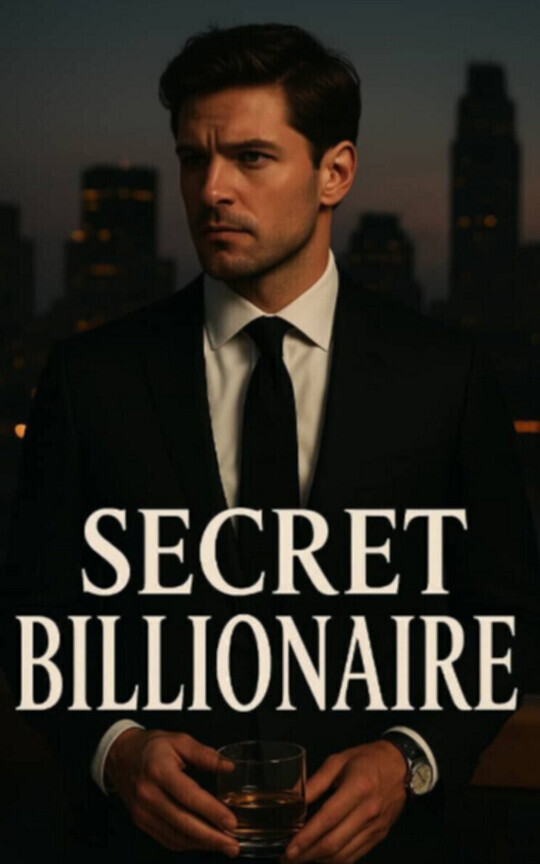
His reflection hovered faintly in the oval window: dark hair swept back, pale blue eyes fixed on the city below, his suit still neat despite the long flight.
As the jet descended lower, pressure shifted subtly in his ears, mirroring the tightening in his chest.
Home.
The word felt foreign now. Like something that had belonged to another version of him.

















Now what was Lancelot up to when he wasn't home? 🤔