
0 capítulos leídos
🎬✨ MORE THAN MAGIC — A CINEMATIC JOURNEY THROUGH KINDNESS, GREED, HOPE & WISDOM
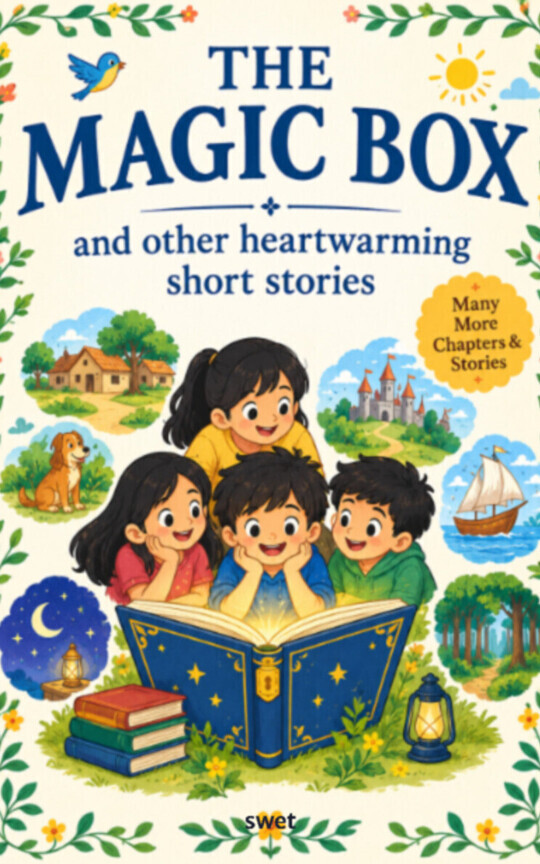
"🌸📖✨ A VERY DEEP-DIVE REVIEW OF “THE MAGIC BOX” ✨📖🌸 Okay... I finally finished all three chapters, and I honestly didn't want to leave a tiny “great story!” comment because this story deserves more thought than that. So here I am. 😭💗 I wanted to actually talk about what I felt while reading it, what stayed in my mind afterward, what I loved about your storytelling, the little things that made the chapters memorable, and also a few suggestions that I genuinely think could make an already lovely concept even stronger. Because “The Magic Box” looks simple on the surface. But underneath the magic, there is actually a lot happening. It is a story about human nature. About what happens when people are given something extraordinary. About temptation. About generosity. About sharing. About listening. About humility. About understanding other people. And most importantly... about the choices we make when nobody is forcing us to choose correctly. That is what made me enjoy these chapters so much. 🌱✨ ━━━━━━━━━━━━━━━━━━━━ 📦✨ FIRST IMPRESSION ━━━━━━━━━━━━━━━━━━━━ The first thing I noticed was how approachable the story is. It doesn't throw the reader into a complicated fantasy world with twenty kingdoms, fifty characters, ancient bloodlines, magical systems, political conflicts, and a dictionary of invented words. 😂 Instead, you give us familiar things: A village. A child. A grandmother. A wooden box. Sunshine. A tree. A prince. Ordinary things... with extraordinary possibilities. And honestly? That works. Because when the magical element appears, it feels more special precisely because the world around it feels familiar. The magic has room to shine. ━━━━━━━━━━━━━━━━━━━━ 🌸📦 CHAPTER 1 — THE MAGIC BOX ━━━━━━━━━━━━━━━━━━━━ Mohan's chapter immediately establishes one of the most important ideas in the entire collection: What do we do when we are given more than we need? At first, Mohan's curiosity is innocent. He sees something unusual. He wants to know what it is. He investigates. He discovers the magic. And then comes the first test. The mango. 🥭✨ That tiny wish is actually important because it introduces the reader to the rules of the magic without making the explanation feel like a textbook. Mohan experiments. He learns. He becomes excited. And then he starts using the box for his family. That part really warmed my heart. Because the magic doesn't immediately turn him selfish. Actually, his first instinct is to help. But then something very human happens. People begin praising him. And praise changes the way he sees himself. That's where I think the chapter becomes more interesting. Greed isn't presented as something that suddenly attacks him. It grows gradually. A little more. Then a little more. Then suddenly he wants things that he didn't even care about before. That felt realistic. And I loved the fact that his mistake doesn't completely erase the good things he did earlier. People are complicated. Someone can be kind and still become greedy. Someone can make a selfish choice and still have the ability to change. That makes Mohan feel more human. And the final wish brings everything full circle. He finally understands that the greatest use of the magic isn't what he can receive. It's what he can give. 🌱📦✨ That is such a beautiful foundation for the collection. ━━━━━━━━━━━━━━━━━━━━ ☀️✨ CHAPTER 2 — THE GIRL WHO SOLD SUNSHINE ━━━━━━━━━━━━━━━━━━━━ Tara's chapter has a completely different atmosphere. Chapter 1 feels like discovery. Chapter 2 feels like warmth. And I really loved that contrast. The image of a village trapped beneath endless rain immediately creates a strong atmosphere. Then you introduce the glass bottles of sunshine. And suddenly the story becomes visually beautiful. I could literally picture tiny bottles glowing with warm golden light while everything outside remains grey and rainy. That is such a cinematic image. ☀️🌧️ But again, the magic is only the surface. The deeper question becomes: What happens when something beautiful becomes valuable? Tara could have treated the sunshine as a way to become rich. And honestly, I think that's what makes her choice meaningful. She understands that the sunshine matters because people need it. Not because it can make her wealthy. And when the merchant appears with money, the temptation becomes much stronger. I liked that. Because generosity means more when there is actually something to gain by being selfish. If there were no temptation, choosing kindness would be easy. Tara chooses to share even when she has another option. That is what makes her decision meaningful. And when the magic eventually stops working, the story reinforces the idea that some things cannot be possessed forever. Sunlight is meant to shine. Happiness is meant to move. Hope is meant to be shared. That was probably my favorite symbolic idea in this chapter. 🌻 ━━━━━━━━━━━━━━━━━━━━ 🌳✨ CHAPTER 3 — THE TALKING BANYAN TREE ━━━━━━━━━━━━━━━━━━━━ And then we get Arjun. Honestly... This chapter had a different energy. It felt like a classic wise-magical-mentor anime episode. 😭🌳✨ The banyan tree immediately became memorable because it isn't just magical. It is old. Patient. Observant. Wise. It has watched generations of people. And then along comes Arjun, who has everything he could possibly want. Except understanding. I really liked that Arjun isn't portrayed as some cartoonishly evil spoiled prince. He's simply inexperienced with struggle. He's never needed to solve his own problems. So he doesn't understand why other people can't simply fix things for him. And the banyan tree doesn't insult him for that. It teaches him. Slowly. The water-wheel scene is especially effective because Arjun initially tries to solve the problem through strength. When that fails, he has to actually observe the situation. Think. Look around. Understand. And then he finds the solution. That moment represents his entire character arc. He doesn't need to become stronger. He needs to become wiser. Then comes the idea of listening. And honestly, that might be the strongest lesson in the entire chapter. People are constantly surrounded by voices. But listening is different from hearing. That distinction really stayed with me. Arjun learns to stop being the center of every conversation and start paying attention to other people. And when he begins helping the villagers himself... THAT is when his transformation feels complete. He doesn't just understand the lesson intellectually. He applies it. That's important. ━━━━━━━━━━━━━━━━━━━━ 🌱✨ THE BIGGEST THING I LIKE ABOUT THE WHOLE STORY ━━━━━━━━━━━━━━━━━━━━ The three chapters aren't teaching exactly the same lesson. They are connected, but they aren't repetitive. And that's something I really appreciate. 📦 Mohan learns what to do with power. ☀️ Tara learns what to do with something precious. 🌳 Arjun learns what to do with privilege. Those are three different situations. But they all ask a similar question: How will you use what you've been given? That connection is beautiful. The magic changes. The characters change. The setting changes. But the heart of the story stays consistent. ━━━━━━━━━━━━━━━━━━━━ 💭✨ THE THEMES ━━━━━━━━━━━━━━━━━━━━ I really liked the themes because they aren't limited to children. A younger reader might simply understand: “Don't be greedy.” “Share.” “Listen.” But an older reader can see something more complicated. Mohan's story can make us think about how praise affects people. Tara's story can make us think about whether something valuable should automatically belong to the person who discovers it. Arjun's story can make us think about privilege and responsibility. And THAT gives the story multiple layers. It's simple storytelling with room for deeper interpretation. ━━━━━━━━━━━━━━━━━━━━ 🎬✨ YOUR CINEMATIC WRITING ━━━━━━━━━━━━━━━━━━━━ Okay, now I NEED to talk about this. Your writing is genuinely cinematic. Not necessarily because every sentence is extremely descriptive. Actually, I think the opposite helps you. You often give the reader just enough information to create the picture themselves. That's a very visual style. While reading, my brain automatically started turning scenes into shots. For example: 📦 The old wooden box sitting quietly. 🥭 The sudden appearance of the mango. ☀️ Golden sunshine trapped inside glass. 🌧️ A village beneath endless rain. 🌳 The giant banyan tree standing in the village square. 👑 Arjun sitting beneath it and finally listening. Those aren't just events. They are images. And that is why I kept getting this feeling of: “This could be animated.” Especially Chapter 3. I could genuinely imagine the camera slowly moving toward the banyan tree while the leaves move in the wind. Then the tree speaks. And Arjun freezes. 😂😭🌳 That is such an anime moment. Your writing has a very storybook-meets-animation quality. And I think that's one of your strongest stylistic characteristics. ━━━━━━━━━━━━━━━━━━━━ 💗✨ YOUR CHARACTERS ━━━━━━━━━━━━━━━━━━━━ Another thing I appreciated is that your characters aren't introduced simply to deliver the moral. They experience the problem first. That's important. Mohan has to experience greed. Tara has to face temptation. Arjun has to fail before he learns. That makes the lessons feel earned. I especially liked that none of them are perfect. Perfect characters can sometimes feel distant. Characters who make mistakes feel easier to connect with. ━━━━━━━━━━━━━━━━━━━━ 🌸 WHAT I WOULD LOVE TO SEE MORE OF ━━━━━━━━━━━━━━━━━━━━ If you ever expand these stories, I would LOVE a little more character depth. Not huge backstories. Just small things. Maybe Mohan has a favorite place in the village. Maybe Tara has a personal reason why sunshine matters so much to her. Maybe Arjun has a childhood memory that explains why he became so dependent on servants. Little details like that can make readers feel: “Oh, I know this character.” Not just: “I know this character's role in the story.” That difference can create a much stronger emotional connection. ━━━━━━━━━━━━━━━━━━━━ 🧐✨ WHAT COULD BE IMPROVED? ━━━━━━━━━━━━━━━━━━━━ Now for the constructive part. And I want to emphasize this: These aren't “this story is bad” comments. They're more like: “I can see the potential here, and here's where I think you could push it further.” 🌿 1. Slow down important emotional moments. Some scenes move quickly. When something magical or emotionally important happens, you could give the moment a little more space. Let the character breathe. Let them look. Let them think. Let the reader sit inside that moment for a few seconds. Sometimes one extra paragraph can make a major scene feel much bigger. 🌿 2. Add more sensory details. Your visuals are already strong. Now imagine adding: the smell of rain, the sound of leaves, the warmth of sunshine, the roughness of old wood, the sound of village life, the smell of wet soil. Those tiny details could make your cinematic style even more immersive. 🌿 3. Give characters more internal thoughts. We see what they do. I'd love to see a little more of what they think. Especially during moments of temptation, fear, surprise, or realization. Even a few lines can make a character's emotional journey hit harder. 🌿 4. Trust your readers. This is a big one. You don't always need to explain the moral after the reader has already understood it. Sometimes the scene itself is powerful enough. Let readers connect the dots. Let them sit with the meaning. Let them interpret. That can make the story feel more mature while keeping its simple charm. 🌿 5. Consider connecting the chapters subtly. This is just an idea, but imagine if future stories had tiny connections. Maybe a character mentions the magical box. Maybe someone has heard of Tara's sunshine. Maybe the banyan tree knows about another magical object. Nothing huge. Just little threads. That could eventually make the collection feel like one larger magical world rather than completely separate stories. And honestly? I WOULD LOVE THAT. 👀✨ ━━━━━━━━━━━━━━━━━━━━ 💌✨ ONE INKITT SUGGESTION ━━━━━━━━━━━━━━━━━━━━ One practical thing I would suggest is adding a Creator's Note at the beginning or end of each chapter. Not a huge note. Just something warm. For example: “Thank you for stepping into another little magical story. 🌱✨ If this chapter left you with a thought, a favorite moment, or a character you connected with, I'd love to hear about it in the comments. And if you enjoyed the story, sharing it with another reader can help this little world reach more people. 💗📖” I genuinely think this could help with reader interaction. People sometimes finish a chapter, smile, and leave without commenting because they don't know what to say. A small question in the Creator's Note gives them an easy opening. For example: “If you found the magic box, what would your first wish be?” or “Which lesson from this chapter stayed with you the most?” or “Which magical object would you want to discover?” Those kinds of questions can turn silent readers into commenters. And more comments can make the story feel more alive. 🌸 ━━━━━━━━━━━━━━━━━━━━ 📖✨ I READ ALL THREE CHAPTERS ━━━━━━━━━━━━━━━━━━━━ I really want to highlight this. I didn't just read one chapter and make assumptions. I read all three chapters. And that's why I can see the pattern you're building. Each story feels like a little fable. Each protagonist faces a different kind of test. Each magical element represents something bigger. And each ending leaves the reader with a small thought to carry away. That consistency is lovely. ━━━━━━━━━━━━━━━━━━━━ 🎥✨ THE “I CAN SEE IT” TEST ━━━━━━━━━━━━━━━━━━━━ One thing I always personally look for in stories is whether I can see the scene. With your writing, I could. I could imagine: the village, the rain, the sunlight, the tree, the characters, the expressions, the movement, the atmosphere. That is why I keep calling your writing cinematic. It feels like your imagination naturally thinks in scenes. And if you ever decided to adapt these stories into short animations, illustrated stories, or even a children's fantasy series, I could genuinely see the visual potential. The magic is already visually strong. You just have room to make the emotional camera linger a little longer. ━━━━━━━━━━━━━━━━━━━━ 🌱✨ THE EMOTIONAL HEART ━━━━━━━━━━━━━━━━━━━━ What surprised me most is how gentle the story is. There is no need for violence or huge dramatic twists to make the chapters meaningful. The conflict is internal. Greed. Temptation. Pride. Ignorance. Selfishness. And the solutions are equally human. Generosity. Sharing. Listening. Humility. Community. That's actually refreshing. Sometimes stories don't need to be loud. Sometimes a quiet story can leave a much longer echo. And I think “The Magic Box” has that quality. ━━━━━━━━━━━━━━━━━━━━ 🌸📖 FINAL THOUGHTS ━━━━━━━━━━━━━━━━━━━━ After finishing all three chapters, the biggest thing I took away was this: Magic doesn't make someone good. The choices they make with that magic do. Mohan had the ability to wish. Tara had something precious. Arjun had power and privilege. But none of those things automatically made them better people. They had to learn. They had to make mistakes. They had to choose. And that's where the real magic lives. ✨📦 In the box. ✨☀️ In the sunshine. ✨🌳 In the banyan tree. But most importantly... in the hearts of the people who encounter them. ━━━━━━━━━━━━━━━━━━━━ 💗✨ HIGHLY RECOMMEND ━━━━━━━━━━━━━━━━━━━━ If you enjoy: 🌸 wholesome fantasy 📖 fairytale-style stories ✨ magical realism 🌱 stories with life lessons ☀️ comforting reads 🌳 talking animals/trees/magical elements 🎬 cinematic storytelling 💭 simple stories with deeper meanings then I genuinely recommend giving “The Magic Box” a read. It has that rare feeling of a story that you could read when you're young for the magic... ...and return to years later for the meaning. And honestly, those are some of my favorite kinds of stories. Because the magic may stay the same— but we change as readers. And suddenly the same little story means something completely different. ━━━━━━━━━━━━━━━━━━━━ 🌸 TO THE AUTHOR ━━━━━━━━━━━━━━━━━━━━ Shrivo, thank you for creating this little world. Your writing has a very gentle charm. Your ideas are simple but visually memorable. Your characters make mistakes without becoming impossible to root for. Your magical elements are easy to understand but still symbolic. And most importantly, your stories have heart. Keep developing that. Keep experimenting with your characters. Keep allowing important moments to breathe. Keep adding those little sensory details. And don't be afraid to trust your readers a little more. Because I genuinely think there is something lovely here. And your cinematic instinct is something I would absolutely keep nurturing. 🎬✨ You don't just tell us that something magical happened. You make us picture it. And that is a beautiful quality for a writer to have. So yes— I highly recommend “The Magic Box.” 🌸📖✨ Not because it is perfect. But because it has something much more important: potential, warmth, imagination, and a sincere heart behind the storytelling. And honestly? I would happily open another magical chapter. 📦✨ Thank you for the magic. 🌱☀️🌳 Keep writing. Keep imagining. Keep creating. And please give us more little worlds like this. 💗📖✨ — A very happy reader who finished all three chapters and is now emotionally attached to a magical box, bottles of sunshine, and a talking banyan tree. 😭😂🌳☀️📦"
- Valoración general
- Trama
- Estilo de escritura
- Gramática y puntuación