Company of Silence


Snigdha Sen's eyes locked onto the image, her heart overflowing with emotion. But her fragile hands couldn't grasp the cup, a poignant reminder of her confined reality. For years, she'd been trapped in a wheelchair, her vibrant spirit muted by immobility.
Once a dynamic writer, Snigdha yearned to express herself freely. She longed to walk alongside flowing streams, feel the wind in her hair, and shout with joy. She desired to dress boldly, to love without restraint, and to live life to the fullest. But silence had become her constant companion.
A recent road trip offered a fleeting glimpse of the world's dynamism. As others bustled around her, Snigdha remained still, lost in contemplation. Sarswati Di, her devoted caretaker, gently transferred her from wheelchair to car, addressing her affectionately as "Snigdha Rani" (Princess Snigdha).
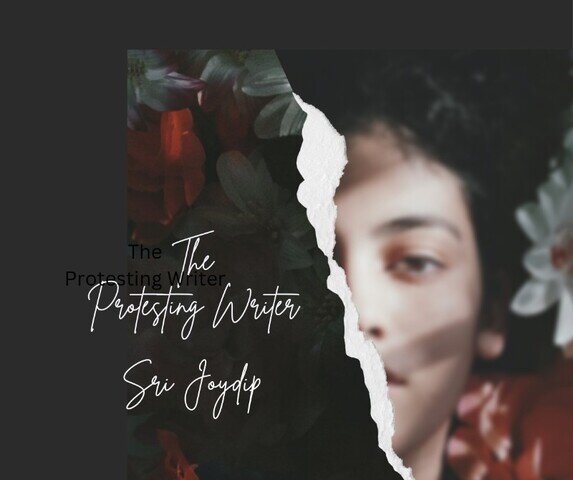
Each night, Snigdha's thoughts swirled, and Sarswati Di patiently transcribed them into her autobiography, "The Protesting Writer." Some days, Snigdha's mind went blank, but Sarswati Di's encouragement kept her going.
In the stillness, Snigdha reflected dread on her life's stark contrasts. Her first 22 years had been a whirlwind of action, leaving no room for introspection. But the past 12 years had been a journey of quiet contemplation, forcing her to confront what life could be and what it had become.
Yesterday, Snigdha dreamed of Vikram. They were together in Kulu Manali, surrounded by Diwali lights illuminating the entire area, casting a vibrant glow over everything—except the shadows they carried in their hearts, filled with invisible pain and treacherous memories.
In her creative writing course at the British Council, Snigdha was taught to balance rationality and creativity. Yet, over time, doubt, mistrust, and bitterness crept in, clouding the pure love and compassion that once marked the start of their relationship fourteen years ago. Familiar images haunted her dreams: she and Vikram standing by a vast, unfathomable valley, with a stream flowing backward. As Vikram gave her a gentle push, she plunged into an endless fall, consumed by a sense of loss. This recurring dream, which had haunted her for twelve years, always left her with an ache in her heart, and she would turn to Saraswati Di for comfort and guidance.
Rina, her psychologist, had worked with her through numerous CBT sessions, urging Snigdha to heal the deep emotional wound by forgiving Vikram. Snigdha had tried, but the memories resurfaced suddenly one day when she saw Vikram on a TV show, discussing his gaming business. The flood of past emotions held her gaze on his image, her heart brimming with unresolved feelings.
The following Sunday morning, as she tried to steady a delicate cup in her fragile hands, she felt the sharp reminder of her sorrow. She wanted to hurl it at the television, an expression of her anger, but her hand faltered, and the cup shattered in her grasp, a silent testament to her pain.
Then she began to speak Rina's words aloud: “I forgive Vikram, and I forgive myself for everything that has happened between us.” As her reflection stared back at her from the mirror across the room, she let these words settle into her self-image.
Gradually, her pain began to transform into an overflowing love, a warmth that seemed to radiate through her body. As she continued this process of forgiveness, the same love she had once felt for Vikram at the beginning of their relationship returned, flowing strongly and unexpectedly. She was amazed—how could such intense love resurface after all the bitterness that had accumulated between them?
Her body, still and unmoving for years, started to show subtle signs of life, as if her entire being was waking up to a new rhythm. It was as though her consciousness had sparked a movement within her, lifting the veil of stillness that had weighed her down.



















I read stories for fun and professionally. If you ever want a beta reader who tells the truth (nicely), I’m here.