Understanding Google's Realm
The Search for Visibility — Understanding Google’s Realm
Once upon a digital era, the Internet grew dense with content, and Google became the gatekeeper of attention. Every second, it processed over 90,000 search queries. But how did it decide which websites to crown on its first page?
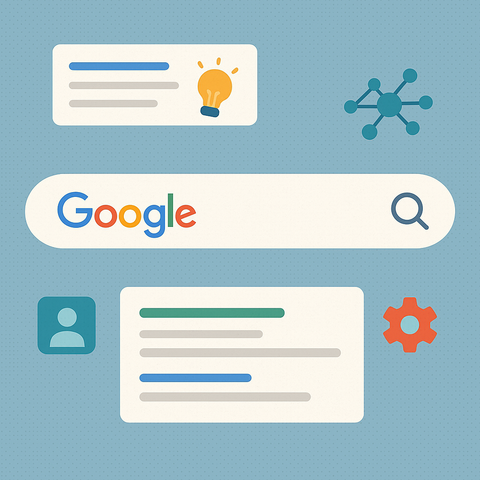
Google Search is not just a tool; it’s an intelligent ecosystem powered by crawlers, algorithms, and real-time updates. Its job? To understand what a user is really searching for and then display the most relevant, trustworthy content.


---AI generated image---
The secret lies in Google’s ranking algorithm, which evaluates websites based on over 200 factors like:
➡️ Relevance
➡️ Page experience
➡️ Authority
➡️ Mobile-friendliness
➡️ Loading speed
➡️ Freshness of content
To rank, one must serve the user first, Google second.
The Map of Discovery — Keyword Research Types
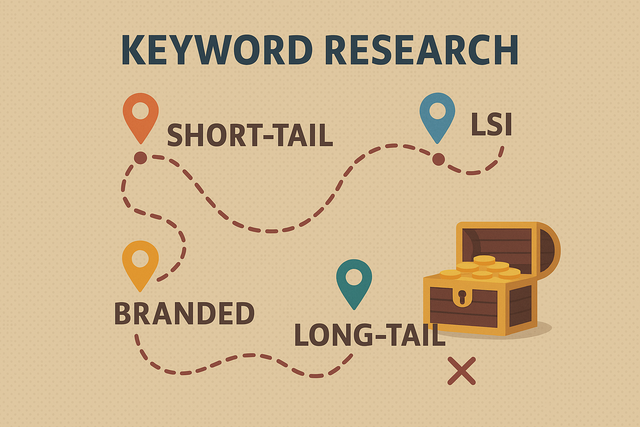
In our story, the first treasure a marketer needs is the right keywords. They are the bridge between what people search and what you offer.
---AI generated image---
Here are the types of keyword research every adventurer must master:
Short-Tail Keywords (Head Terms):
One or two words (e.g., “shoes”)
High volume, high competition
Long-Tail Keywords:
3+ words (e.g., “best running shoes for flat feet”)
Lower competition, higher conversion
LSI Keywords (Latent Semantic Indexing):
Related terms that add context (e.g., “footwear,” “arch support”)
Branded vs Non-Branded Keywords:
Nike shoes (branded) vs best sports shoes (non-branded)
Transactional vs Informational Keywords:
Buy DSLR camera online vs How to choose a DSLR camera
To find these, use tools like:
➡️ Google Keyword Planner
➡️ Ahrefs
➡️ SEMrush
➡️ Ubersuggest
The Twin Guardians — On-Page and Off-Page SEO
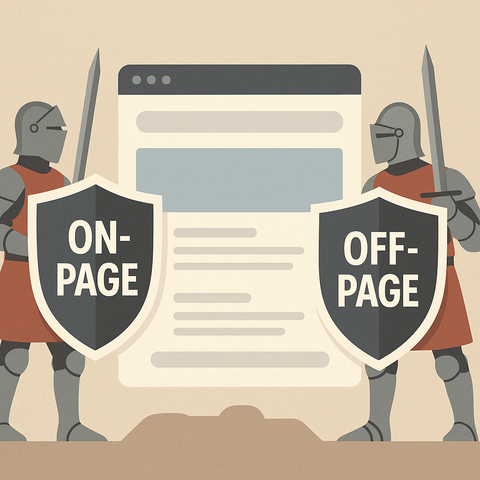
SEO is like a kingdom with two rulers: On-Page and Off-Page SEO. Together, they decide the fate of your website.
---AI generated image---
🚀On-Page SEO:
This happens within your website walls:
➡️ Keyword optimization in title, meta description, headers
➡️ Image alt tags
➡️ URL structure (clean and readable)
➡️ Internal linking
➡️ Schema markup
➡️ Core Web Vitals
🚀Off-Page SEO:
This is about your reputation outside your website:
➡️ Backlinks from authority sites
➡️ Social signals
➡️ Guest blogging
➡️ Brand mentions
Without both, your website is either invisible or lacks credibility.
The Spell of Content Marketing
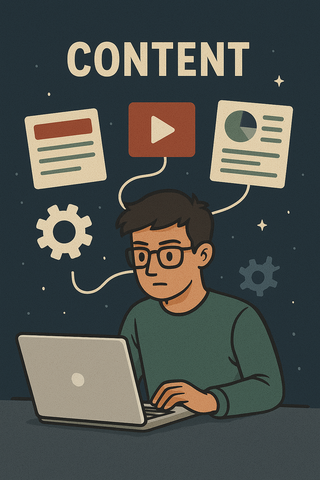
Even with all the right tactics, your journey won’t succeed without content. Content is the voice of your website.
---AI generated image---
Why Content Marketing Matters:
➡️ Builds trust
➡️ Drives organic traffic
➡️ Supports SEO
➡️ Educates and converts users
Types of Content That Rank:
➡️ Blog posts
➡️ How-to guides
➡️ Videos and webinars
➡️ Infographics
➡️ Product reviews
➡️ Case studies
➡️ FAQs and featured snippets
Use topic clusters and pillar content to structure your content like a library—easy for Google to navigate.
Your mission: Create helpful, relevant, and original content consistently.
The Final Climb — Ranking a New Website on Google
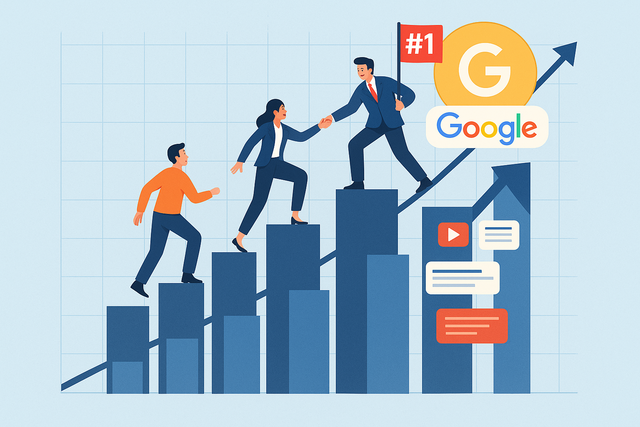
Now, here’s how to rank a new website in the digital wild:
---AI generated image---
➡️ Choose a domain name that reflects your brand and includes relevant terms if possible.
➡️ Do extensive keyword research — target long-tail, low-competition keywords at first.
➡️ Structure your site with clear navigation and responsive design.
➡️ Create SEO-optimized content around your keywords and user intent.
➡️ Submit your website to Google Search Console and create an XML sitemap.
➡️ Build backlinks from relevant blogs, directories, and social platforms.
➡️ Leverage social media and email to promote your content.
➡️ Monitor performance using Google Analytics and refine based on CTR, bounce rate, and conversions.
Patience is key. It may take 3 to 6 months for Google to fully index and rank a new site, but persistence wins.
Epilogue: The Crown of Page One
---AI generated image---
The story doesn’t end once you reach the top — the throne must be defended. SEO is an ongoing quest. Update your content, earn more links, improve user experience, and stay aligned with Google’s evolving algorithm.
Because in the land of search, the only constant... is change.