
Chapter 1 — The Light She Left On
Mara The cottage smells like cold ash and lemon oil, the way it always did, and the porch light is on. It’s noon in June. The bulb burns in the doorway like Nan only stepped out for the mail and forgot the day, forgot the year, forgot to die six weeks ago and leave me the key under the third flowerpot where it has lived since before I was born.
I should turn it off. I reach for the switch and stop an inch short, the way I always stopped short of the things that mattered, and instead I do what I do, which is open cupboards. Two cans of stewed tomatoes. One of evaporated milk. A sleeve of saltines gone soft as wet sand. I count them because counting is a thing you can finish.
Eleven weeks of summer between me and August. I will not need eleven.
The plan is clean. See the lawyer, sign the papers, list the farm, take whatever the saltwater wreck of Bishop Oyster Co. will fetch, and clear Nan’s debt before the bank can do anything dramatic about it. Then leave. I’m good at leaving. It’s the one recipe I never burn.
June Tran texted twice this morning — you here yet? and then don’t you dare sneak into this town without coming to the Saltbox, I have pie and a list of grievances — and I haven’t answered, because answering means admitting I’m standing in Nan’s kitchen with my coat still on like a guest.
I take the coat off. That’s something.
The house is small and stubborn and full of her. The chair with the cushion worn to her shape. The radio on the windowsill, dial stuck on the AM fish report. On the fridge, under a magnet shaped like a crab, a photograph of me at maybe nine, holding up an oyster like a trophy, gap-toothed and squinting into a sun that didn’t know yet what it was raising.
I take that down too. I put it in my pocket. I tell myself it’s so the buyers won’t see it.
Outside, the tide is dropping, that long suck and hush over the flats, the gulls arguing about it. Past the gravel lot and the leaning gray spine of the shucking shed, the grant lies bared to the sky, the beds Nan ran for fifty years, black and gleaming, stitched with rows of flip-bags I can just make out from here. Somebody is keeping it. Somebody has been keeping it.
I don’t let myself wonder who. I’m here to close things, not open them.
I lock up. The key goes back under the third pot, old habit, stupid in a town that’s grown a marina and a fudge shop since I left. I leave the porch light on because turning it off feels like a thing you’d have to mean, and I drive into Driftwood Cove for the first time in ten years with the windows down and my chest doing something it has no business doing.
The town has gotten prettier and meaner, the way pretty things do. A banner over Main reads FOUNDERS’ TIDE FESTIVAL AUG 29 in the bossy lettering of a place that wants your money in summer and your absence the rest of the year. The Saltbox is still on the corner, windows fogged with breakfast, and I drive past it fast so I won’t have to choose.
The lawyer’s office sits above the hardware store, frosted glass lettered DENNARD & ASSOC. in gold gone the color of weak tea. It’s just Pat Dennard now, who has gotten old in a way that surprises me, as if I expected the whole town to stay frozen in 2016 waiting for me to find it exactly as cruel as I left it.
“Mara Bishop,” he says, and stands, and takes both my hands in his. “God. You look like her.”
“I look like a woman who drove four hours,” I say, because the other thing is too big to hold. “Let’s do the part where I sign things and you tell me how fast I can be done.”
He doesn’t smile. He gestures to the chair across the desk, and there’s a file on the blotter already, thick and tabbed, somebody’s whole life reduced to paper. He sits.
“It’s not going to be fast,” he says.
“It can be fast. I want it fast. I’ve got a kitchen that thinks I’m coming back in two weeks and a debt I’d like to pay before your First Federal friends start sending letters with windows in them.”
“The note’s eighty-four thousand dollars,” he says, gentle as a man laying down something breakable. “Due August thirty-first. Balloon payment. The lease defaults if it isn’t met.” He lets that sit. “I assume you knew about the debt.”
“I knew there was one. I didn’t know it had teeth.” Eighty-four thousand. The number lands somewhere under my ribs and I keep my face the way you keep a sauce from breaking, steady heat, do not stir.
I do the math anyway, because math is a counter, same as cans. Eighty-four thousand is two and a half years of what I clear at Aster after rent. It’s the storm gear Nan replaced after the surge took her lines, the year she stopped answering my calls on the first ring because she didn’t want me to hear the worry in it. She took a loan with a fuse on it the same summer she stopped sending me recipes. I thought she’d gotten tired of me. She’d gotten tired of being afraid.
“Okay,” I say. “So I sell the farm, the sale clears the note, and the leftover, if there is any—”
“You can’t sell the farm.”
The fish report is still going somewhere in my head, the ghost of Nan’s radio. Albacore moving north. Crab off the bottom. I make myself ask it plainly. “Why can’t I sell my grandmother’s farm.”
“Because it isn’t only yours.” He turns the file so it faces me, sets one finger on a line of type, and even before I read it I know, the way you know a pan’s too hot before it smokes. “Eleanor co-deeded Bishop Oyster Co. two years ago. Half to you.” His finger moves down the page. “And half to the man who’s been keeping it alive ever since she got sick.”
“No.”
“Mara—”
“Say a different name.”
“Eli Marsh,” says Pat Dennard, and the porch light I left on across town goes on burning for nobody, and I understand that I am not, after all, going to be done by August.







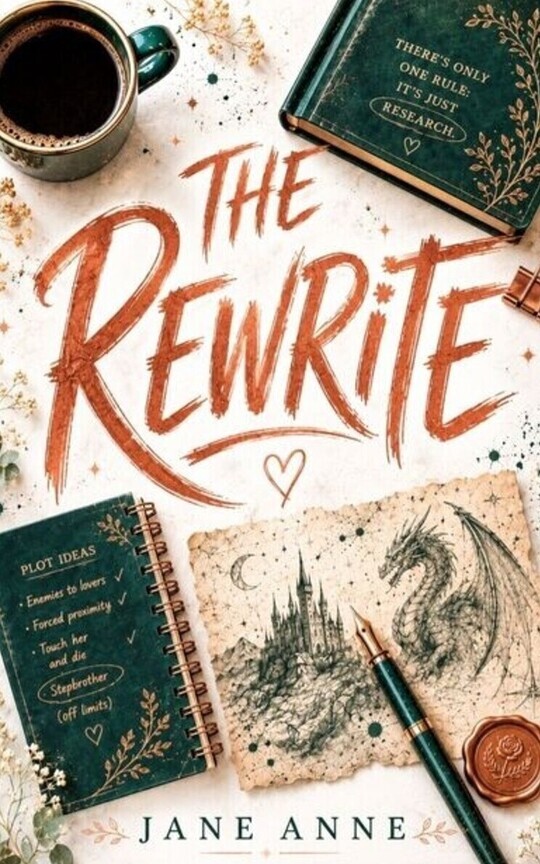











Je suis intéressée, suffisamment pour continuer. Tristge pour cette femme qui se retrouve coincée avec un inconnu dans un endroit qu'elle aimerait fuir le plus vite possible.
Je reviendrais tourner plus de page plus tard. J'ai déjà moi même quelques trucs sur le feu. Mais promis je ne tarderai pas jusqu'en aout💙