
Who is Maria Labo?
There’s a woman who walks among us, her name whispered in the flicker of candlelight, in the hushed corners of small towns where the air is thick with secrets. Maria Labo—if that is even her real name. Some say she’s just a myth, a warning for children, a name spat out in fear when the lights go out too soon. Others claim she’s something much worse. But no one knows for sure.
She doesn’t belong anywhere—no place, no family. She’s always on the edge of something, always waiting. The rumors begin when the bodies start showing up: animals, then humans, missing organs, gnawed to the bone. Always the same signs. The kind of hunger that can never be sated. But no one dares speak it aloud. No one dares point a finger.
She has a way of blending in—shifting through the cracks of ordinary life. The townspeople speak of her like they speak of a shadow, an itch they can’t scratch. She’s the woman who tends to the sick, but never stays long enough for anyone to ask questions. She might be a healer, or perhaps a harbinger. Maybe both. Maybe neither.
And then there’s the rosary. The only thing people agree on. It’s said she wears it, always, her fingers moving over the beads as though they might offer a prayer, or a curse. No one knows why. No one can remember when it first appeared in the town. All they know is that, like her, it has always been there.
But Maria Labo, if that is even her name, is more than just a woman. She’s the thing that lingers at the edge of memory, the dark place where the truth hides. Some say she’s running from something. Others believe she’s already found it. All anyone knows for sure is that wherever she goes, silence follows—and when she leaves, something is always missing.





![Fated to My Ex- Best Friend [Moving to Galatea]](https://cdn-gcs.inkitt.com/vertical_storycovers/ipad_49edb1dbf9a28b50b9c4d68d8598359b.jpg)
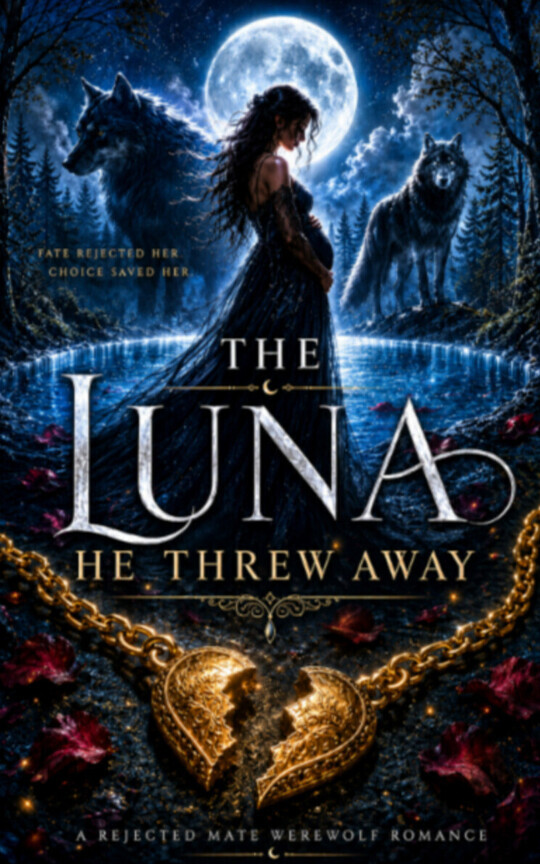








Your work is absolutely remarkable, I will love to help bring it to life with custom book cover design that captures the essence of your story, Line art and story animation that brings your characters to life, and targeted marketing strategies to reach a broader audience. Let's connect! You can find me on Instagram with this: @yaroslava_expert09 Or on Telegram: @Yaroslava_6ixyes or Discord: @yaroslava70. I'm excited to discuss how we can make your project shine