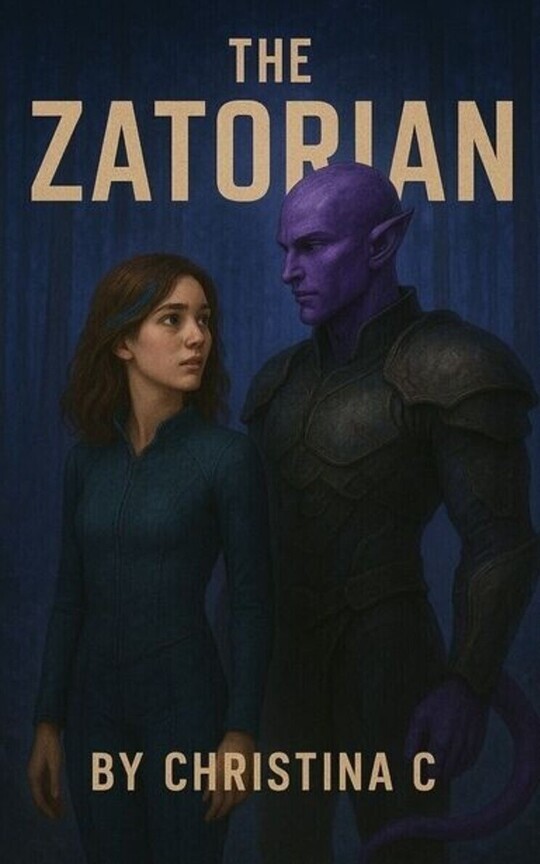
THE BEGINNING.
All stories have lore to them, even the boring, ordinary ones. It’s part of the pattern, you see. No story—the fairy tales, the epics, the anecdotes we share across dinner tables and text messages—exists in a void. Everything comes from something.
And this something, this story, came from beneath a giant oak tree. The place doesn’t matter. (It might have been Europe or Africa or America.) The weather doesn’t matter. (It could have been snowing or sunny or completely still.)
What mattered—and matters still—were the two tiny heads crammed together beneath the oak tree, her stick-straight pigtails catching in his little-boy curls as they observed the progress of the town they aptly named Snail Sprint.
“Fredrick is missing,” the girl said, her voice sad.
“He’s not,” the boy replied, holding a white shell between dirty fingers. “He’s right here.”
“That’s not Fredrick. Fredrick has a crack on top.”
“Does not,” the boy said.
“Does too,” the girl said.
When the boy leaned forward to put the snail in her hand, a jagged red line peeped out from beneath his sleeve. It made the girl stop worrying about Fredrick the snail. The marks and bruises the boy tried so hard to hide unfailingly made everything else leave her head. There was only room for him.
The girl did what she always did when she noticed the marks: She leaned forward and kissed his palm—the closest thing to this particular line without actually touching it—and whispered, “It goes where it needs to go.”
The boy nodded and said what he always said: “It feels better already.”
Like most myths and legends, this one is blurry around the edges. There might have been a great many things that happened between the disappearance of Fredrick the snail and the displacement of the boy who named him. Maybe a teacher noticed the boy’s marks and alerted the authorities. Maybe it was the boy’s uncle. Maybe it was a combination of things.
What matters is that one day the boy and girl were the king and queen of Snail Sprint; the next, the boy stood beneath the oak tree with his arms folded and looked down at the girl through the hole in the fence and his freshly bruised eye and said, “I have to go.”
She scrambled to her feet, forgetting the snails entirely. “But why?”
The boy didn’t want to say, but he did anyway. “I’m moving away,” he said.
“To live with my uncle.”
The girl didn’t understand—not really—so she did the only thing she knew to do: She cried. And then, crying still, she flung her arms around his neck and cried some more.
Because they were the rulers of Snail Sprint. Because they were best friends. Because who would be there to kiss his hand and make him feel better if she wasn’t there? Who would find the snails she lost?
“But why do you have to go?” she said, sobbing. The boy didn’t like to see the girl cry, so he did the only thing he knew to do: He made an impossible promise and hugged her back.
“I don’t know,” he said. “I just do. But we’ll always be friends. I promise. When we’re big, I’ll find you again.”
“How big?” the girl sniffled into his neck.
“Probably really big,” the boy said. “Like eighteen.”
Eighteen seemed like a big, too-far-off, impossible number, but the girl nodded. “Promise, promise?” she asked.
“Yeah,” the boy said. “Promise, promise.”
And so they grew up, apart in body but—more often than they would have guessed—together in thought.
For though they aged and changed and became far different people than the ones who ruled Snail Sprint, though their planets remained chained to their separate orbits, the little girl never forgot the little boy, and he never forgot her.