Relatable
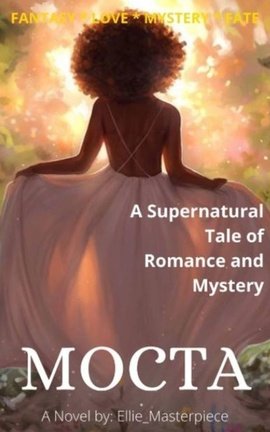
"I applaud your first effort at writing. It is very relatable, very human. The book has the promise of being haunting and mysterious. I wonder if what you describe as fate or destiny might be replaced with a more tangible concept, making the story more evocative—what climax are you building up to? Start with the lie your main character believes, which holds her back. The inciting incident is meeting the mysterious guy, that’s great. Since this is a first draft, get your thoughts down quickly and keep the story moving, up or down. Just do not fall into the trap of creating a series of events. What core value keeps the story moving? Write to the crisis brought on by your antagonist. In the second draft you can define your story arc—there are six primary ones.
Next, prologues should be reserved for information outside the realm of the story to which the main character is not privileged and may never become aware of.
Most people do not read prologues. They skip straight to chapter one. Everything you included in your prologue should come out naturally in the course of the story as a matter of deep point of view. For instance, later, your MC recites facts to stay focused in Chapter 3. That is very unique and interesting. It kind of reminded me of a P.O.W reciting name, rank and serial number when being tortured.
In terms of your writing strength, you will want to focus on the following in the second or third draft:
• Frequency and variation of sentence starters. You depend heavily on initial pronouns. That’s fine for now. Later, keep them below 10 percent of your sentence starters and never in succession.
• Reading pace: [brackets] bring out unessential information, slowing down the story pace.
• Your sentence and paragraph length seem great so far.
• Dialogue tags (phrase that identify speakers e.g. she commanded…) limit them to said and asked and do not use them very often. Include the speaker’s name or description in the dialogue.
• Use of adverbs: only if they create a contrast with the verb they modify in a creative way. Publishers hate them as a rule. Use active verbs.
• Showing vs. telling, again, telling is fine for now. Later, let the environment show the story.
• Passive writing should go away in the second draft (have, had, has, was, were).
• Reduncancies: You repeated large sections from the prologue in chapter 3.
• Unnecessary, over used, and vague words (Words such as, it, nice, good, or pretty are vague, making it difficult for the reader to see what is happening.) The word that is an unnecessary word filter. Delete it or replace it with a more descriptive word.
• Cliches (judge a book by its cover) are over used phrases.
• Boring, excessive and near repetition of words or phrases. Creativity can come out in the final draft.
Finally, I recommend “The Emotional Thesaurus." It’s cheap and well worth reading. It teaches a lot about subtext. Best book I ever read to become an author. I want you to succeed. If you have any questions, please ask."