
Blizzard
The cold was harsh, unbearable—piercing straight into my lungs.
I tried to take a breath, but pain slashed through me like a thousand daggers stabbing into my body. I covered my face with my hands—my gloves felt like blocks of ice, melting in the last warmth radiating from my skin. I couldn’t feel anything anymore. My fingers were numb, senseless. My skin, pale as wax, warned of frostbite creeping into my limbs.
I cast a desperate glance out the window. All I saw was white. My Volkswagen Polo was completely buried in snow, consumed by the blizzard raging outside. Winter had unleashed its full fury, and it had no intention of letting go. The road had vanished, and the snowbank my car had plowed into felt as deep as a freshly dug grave. The engine—once humming with the confidence of a recent repair—was now silent and frozen.
It all felt hopeless, but I could no longer cry. The cold had stolen even that from me. My tears—frozen diamonds—sliced away the last drops of hope. Then they disappeared completely, dried up as if my body instinctively knew each tear was a precious resource. My strength was slipping away. I could feel sleep creeping in—the kind of sleep you don’t wake from.
I looked at my phone. 21% battery. No signal. No rescue. A useless device in the face of nature’s wrath. Soon, my own battery would be gone too.
Memories surfaced, uninvited. Anger followed, blaming me for my unforgivable stupidity. I had been singing along to Allie X’s Lifted, the music streaming from my phone. Somewhere in the background, the radio hosts had issued a weather warning—blizzard, snowstorm, sub-zero temperatures, impassable roads. I didn’t listen. I didn’t care.
I had only one thing on my mind—Alex. My son. I couldn’t wait to hug him and see my grandkids. I’d planned this trip for weeks. I wasn’t going to cancel it over a weather report.
But then the unexpected happened. The car skidded across the icy road like a pair of dancers suddenly losing rhythm—dragging me down with them.
I remembered how panic overtook me as I gripped the steering wheel, my knuckles white with effort. I knew I was about to crash. The roadside trees loomed ahead. My scream—lonely, unheard—echoed in my mind like a tolling bell. No one saw. No one knew.
The car hit a tall poplar tree with a dull, sickening thud. I imagined some caring soul had planted that tree decades ago, never dreaming it would one day witness someone else’s disaster—mine.
Now, as my body stiffened and my strength drained, I could hardly believe it had come to this. Desperately, I tapped at my phone, trying to call 112. Still no signal. Of course. I’d die in a place with no mobile coverage. How poetic.
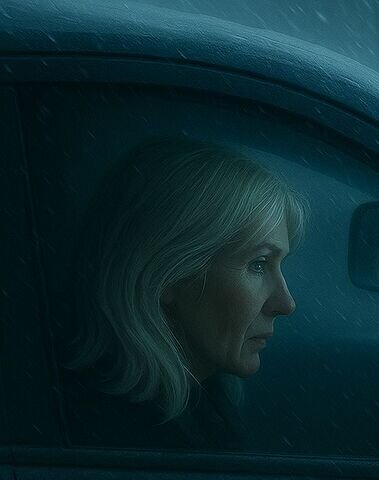


Thinking about Murphy’s Law, I tried to move my head. Pain bloomed in my chest—probably from the impact.
Out of the corner of my eye, I saw a stretch of road. Empty. Of course. Who else would be stupid enough to travel in weather like this?
Other than me, obviously.
I went through phases. At first, I fought to get out of the car, but the seatbelt held me like a vice. My ribs screamed in protest—I was sure something was broken. Still, I tried. I tried to start the car, to open the window, to shout for help. The moment the cold hit me, I gave up. I drained most of my phone’s battery trying to reach someone. No one.
Then came the panic. My heart pounded like it was trying to escape. My hands shook. I felt nauseous, dizzy. I was sure my blood pressure had spiked. My meds? In the trunk. Of course. In a small suitcase I always pack for short trips. Useless now.
Next came sarcasm. I asked myself ridiculous questions—would I die of a heart attack first, or freeze to death? I even cursed myself for quitting smoking years ago—if I still smoked, maybe I’d at least have a lighter. Then again, knowing my luck, I’d have set the car on fire and died in a blaze. I smirked. A real estate broker roasted alive in a Polo.
Then came the crying. If anyone had heard me, I’d have sounded like a howling coyote. Eventually, my voice gave out. My throat was raw. I got thirsty. I fell silent.
Despair followed. The final stage. I knew nothing I did would help. Rescue was just a fading fantasy. I had to save what little energy I had left. I wondered how long it had been. Would my family realize something was wrong? They knew I was supposed to arrive that afternoon. Now it was already getting dark.
A tiny spark of hope flickered. The snow had stopped. The blizzard was calming.
I looked at my reflection in the rearview mirror—not out of vanity, but to check for signs of frostbite. Out loud, I said I just wanted to look good when the paramedics showed up. For 59, I looked great—like most seasoned real estate brokers. But now, my hair was a mess, my blonde bun unraveling around my face.
I hadn’t worn a hat. Didn’t want to ruin my hairstyle.
And now I was freezing.
I started thinking about Alex again. My heart ached. My eyes welled up, but I pushed the tears back. No more wasted water. I had to calm myself. Keep my eyes open. But my body wouldn’t listen. My internal battery was nearly dead. With the last bit of strength, I tapped my phone screen again. No signal.
Fear gripped me in the silence.
I opened my downloaded files and played one of the songs Alex had sent me: Dream On, by Aerosmith. Steven Tyler’s voice filled the frozen silence like a warm hand. For a moment, I felt connected to the world again.
Whether from the cold, exhaustion, or the music—I let go. I relaxed. I stopped fighting. It was time to sleep.
Then came a knock on the window—sharp, urgent.
“Mom! Mom! I’m here!”
My son—his face pressed to the glass, shouting through the storm. Behind him, the flashing lights of roadside assistance danced in the mirror like cheerful Christmas lights. Warmth flooded my chest. The last thing I saw before I passed out was Alex’s brown eyes—filled with tears and fury—as he opened the car door and pulled me into his arms.












Hi Kumiho,
I just finished reading your collection “Le’Vel Dendy’s Writer’s Challenges Collection” and I loved it so much. Your storytelling is so vivid and visceral I kept picturing how powerful it would look as a comic anthology.
I really loved the opening of “Blizzard” (Chapter 1), when the protagonist’s gloves feel like “blocks of ice” and her frozen tears “slice away the last drops of hope.” Those stark images of numb fingers and a snow-buried Volkswagen Polo practically beg for chiaroscuro panels that capture the biting cold and creeping frostbite. And the moment when her son Alex finally appears at the window his tear-filled eyes lighting up against the wintry darkness delivers such a cathartic beat; it would be perfect as a two-page spread, the contrast between hopeless isolation and sudden, warm rescue.
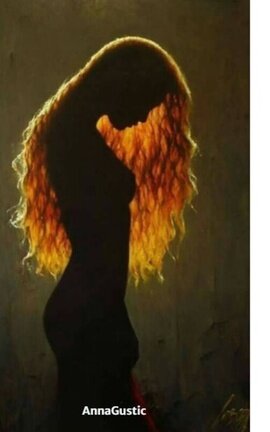
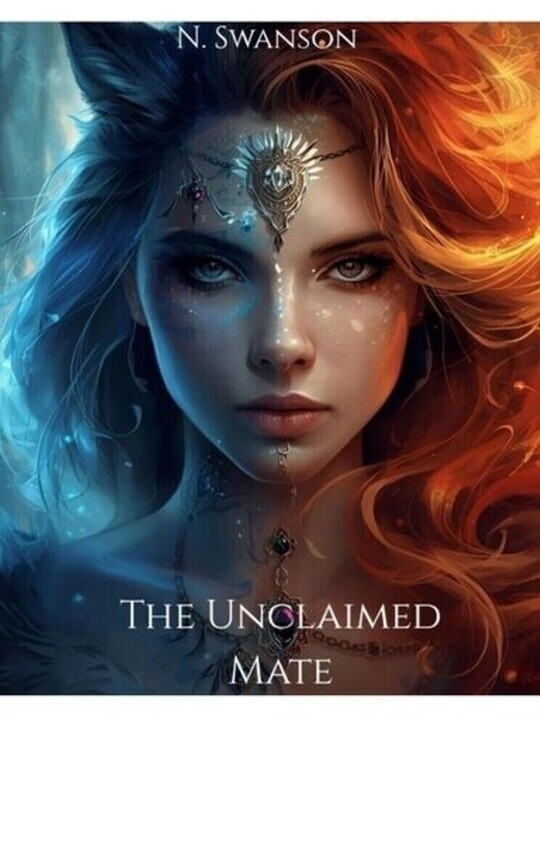
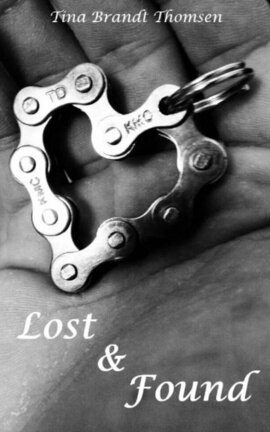
I’m a commissioned artist, and I’d love to draw these stories especially “Blizzard” into a comic/manga. No pressure though I just think your work would resonate even more deeply when brought to life visually.
You can check out some of my recent work on my DeviantArt (Username – Ev3Verse). If you’re interested, please message me on Discord (Username – Eve_Verse) so we can bring the story to life visually. I’ll be waiting to hear from you!
Regards,
Evee