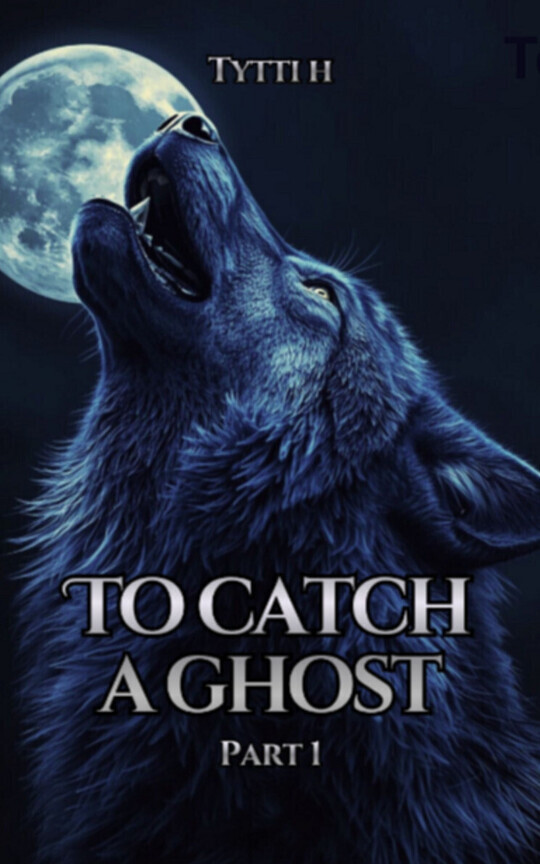
Prologue
A caged bird is beautiful in the cruelest way.
Gold bars gleam beneath lamplight until the cage itself seems to glow—a small sun in a dim room. The feathers are brushed daily until they shine, soft blonde curls falling in perfect ringlets, never allowed to snarl or tangle. Someone always stands beyond the bars, watching.
They watch the way the bird tilts its head at approaching footsteps.
The way its wings flutter uselessly against iron when it remembers flight.
The way it preens when praised.
The way it eats the seed slipped gently through the bars.
Cherished.
They tell the bird it is precious. No hawk will tear its wings. No storm will soak its feathers. No winter will freeze its fragile heart.
At night the cage is draped in velvet so the bird sleeps in perfect darkness. Voices murmur softly through the bars—reverent, affectionate.
My little bird.
My golden one.
My perfect thing.
Fingers slip between the bars to stroke its head until the bird leans into the touch.
What else is there to lean into?
Love comes in many forms.
Sometimes it is a hand that feeds.
Sometimes it is a voice that soothes.
Sometimes it is a key that never turns in the lock.
And sometimes love is poison slipped into the water dish so slowly the bird never tastes the bitterness until its wings begin to tremble and its song falters.
The bird drinks anyway.
It drinks because the hand offering the water is the same hand that strokes its feathers.
The same hand that whispers you are safe, you are mine, you are loved.
The bird drinks because refusing means thirst.
And thirst means weakness.
And weakness means the hand might stop coming altogether.
The cage is gilded.
The seed is sweet.
The voice is gentle.
But the bird still cannot fly.
So it learns.
It learns to sing when the hand reaches through the bars.
To tilt its head when the voice calls its name.
To preen when a mirror is held up so it can admire how beautiful it looks inside the cage.
To quiet its heart when its wings ache with the memory of sky.
Because the alternative is silence.
And silence is worse than poison.
I know this because I have lived inside the cage.
I have felt the gold bars press against my ribs when I breathe too deeply.
I have felt careful hands brush my curls until they shine.
I have heard the voice promise safety while the key remained cold in a pocket I could never reach.
I have sung.
I have preened.
I have drunk the water.
And I have watched my reflection in the crystal dish grow thinner, paler, quieter.
Love can poison even the most precious things.
It does it slowly.
With tenderness.
With gifts.
With forgiveness after every wound.
Until one day the bird looks at the open window beyond the bars—the sky it will never touch again—and realizes it no longer remembers how to want freedom.
It only remembers how to sing when someone is listening.
And how to stop when they walk away.
That is what it means to be cherished inside a cage.
That is what it means to be loved by him.
And that is why, even now—
After the blood.
After the silence.
After promises that taste like ash—
I still lean toward the bars when I hear his footsteps in the hall.
Because the cage is all I know.
And the bird has forgotten what wings are for.