
Gloss and Shadows
The elevator’s mirrored walls multiply me into infinity. Each reflection—another version of forty years wrapped in Saint Laurent and the right shade of lipstick. Or thirty-nine. Who’s counting when the number itself sounds like the setup to a bad joke.
The numbers on the display crawl upward slower than I’d like: thirty-five, thirty-six, thirty-seven. Each floor—another proof point for the theory I’ve been working on for the past decade. A woman can hold power just as tightly as a man grips his whiskey in a club where deals close faster than trades on the floor.
The doors open. The chime of crystal hits first, followed by the smell of money. Byredo Bal d’Afrique layered over Jo Malone, and beneath it all a thin note of desperation only I can catch. Floor-to-ceiling windows face Manhattan with the lights of a thousand other lives. Chandeliers fracture light into hundreds of sparks, each one falling on the faces of new gladiators, and everyone standing in this light is busy proving their own existence.
A gilded arena. Same rules: survive by being seen.
I step forward. Conversations stutter. Heads turn. I know this effect too well to pretend surprise—it still works. Presence is currency. Tonight, I have enough of it.
I scan the room, assessing assets. Amanda by the east window has two venture capitalists hanging on her every word, holding them with voice and smile simultaneously. Kelly catches my attention across the crowd, nods—instant hierarchy recognition without a word. The photographer, catching the crowd’s pulse, swivels his lens. Let him shoot. Beautiful faces sell magazines, power builds empires.
I keep moving through the crowd, cataloging threats and opportunities, until the bar stops me cold.
Impeccable white shirt. Yacht tan. Shoulders squared, no desk slouch. His movements are polished—hours rehearsing in front of a mirror? Ice drops into a glass with the sharp clink of crystal that could shatter from one wrong look.
Twenty-three? Twenty-five, tops. Hair artfully tousled—the kind of careless that costs forty minutes and hundreds at the right salon.
Perfect material. At this age they’re confident they know what they want. In practice they’re waiting for someone to explain their own desire to them.
He looks up.
Brown irises. Meeting mine across the room with unmistakable interest.
Adult. Sharp. Direct. A smile without eager curiosity, self-contained—he knows his worth, believing it will only rise.
Smart boy. The game gets more complex, but easy has never interested me.
I take champagne from a passing waiter’s tray. Cristal touches my lips with a chill and the promise of tomorrow’s aftertaste, but I’m drinking his attention, planning the next move. Bubbles burst on my tongue. The flute feels heavier than it should.
He leans forward, elbows on the bar. The movement casual. Calculated. Shirt fabric stretching across his chest, and my grip involuntarily tightens. The stem squeaks softly under the pressure.
A guest approaches the bar, breaking into our silent exchange. The bartender straightens, returns to work, composed, but keeps throwing glances. Short. Precise.
Promising. But business first. Pleasure comes after.
David Corzman by the window—a silhouette against the city’s shimmering lights. A $22 million opportunity wrapped in Brioni and the right connections. If everything goes according to plan, I’ll breathe easier for the next few years. Maybe even allow myself a vacation. Somewhere no one knows my Instagram.
Every step calculated—the unhurried walk of a predator who knows the prey won’t run. I touch his wrist. Light contact. Just enough for him to feel the warmth of my fingers through the expensive fabric.
“David,” I say softly, with that intonation that promises private conversations and exclusive offers. “Ready for new opportunities?”
He turns. Recognition lights his face, interest flaring.
“Madison.” He appraises me frankly. “You look stunning.”
Stunning. Not just “good.” Not “as always.” Stunning!
“Flatterer,” I lean slightly closer, letting Hermès Calèche invade his personal space. “I have something that’ll make your competitors weep.”
He brightens. Not from proximity. From the smell of big money. Even better.
“Your strategic mind has always impressed me,” his voice goes husky, drops a couple tones.
The venture capitalists around us start exchanging glances, reading the dynamic. One, smarter than the rest, steps back, clearing space for our private conversation.
Too easy. Men are picture books—all surface, easy to read.
“West Coast,” I continue, trailing down his sleeve. “Everyone’s looking at the obvious markets, but the real niche is passing them by.”
He leans closer. His breath touches my ear, mixing with the scent of expensive whiskey and mint.
“Tell me,” he almost whispers.
David is already half mine. All that’s left is sealing the deal with a signature.
Movement at the bar catches my peripheral vision. The bartender pours a cocktail for a blonde, but he looks straight at me, unexpectedly direct, hooks me through the crowd. A second of contact creates a surge of confidence, lifts my pulse by several beats.
I return to business with doubled focus.
“Premium tier,” I explain, hand still on his sleeve, pressure light but constant. “Just not traditional luxury. People are tired of buying things—that’s all yesterday’s capital. Now everyone’s buying moments. Experiences. Emotions they can package into Stories. And who knows better than us how to sell the unattainable?”
David’s eyes burn with the excitement of a gambler who’s spotted a winning hand.
“Intriguing.” He pulls out his phone, already ready to lock in profit. “When can we discuss details?”
“How about breakfast Monday?” I suggest, removing my hand at the last moment so he’ll feel the loss of warmth. “I’ll prepare the full breakdown.”
“Perfect, I—”
“Madison.” A voice behind me. Low. Familiar as a recurring nightmare you wake from in cold sweat.
Cold instantly spreads through my body. Every muscle tenses, preparing for impact. Don’t even need to turn around—I’d recognize this voice anywhere: James Whitemaker. The only person capable of destroying my evening with a single word.
I turn slowly, expression glacial. He stands in his signature pose: one hand in his pocket, the other casually holding a drink, perfectly composed.
“Just back from the coast,” he addresses David as if I’m not here, as if I’m part of the decor. “Congratulations on Emma. Stanford—impressive choice. My nephew’s finishing his master’s in economics there.”
Below-the-belt hit in the first ten seconds. Daughter. Family connections. He knew exactly where to aim for maximum damage.
David breaks into a smile, forgetting about me completely.
“How did you find out? We haven’t even—”
“Connections,” James shrugs. “By the way, the West Coast is overheated, but there are pockets left.”
The bastard anticipated my move. Playing my cards like he invented the deck.
“We were just discussing—” I try to get a word in, but he continues, stealing not just the air but all attention around us.
“Experiential luxury—the next wave,” he pronounces with the authority of a prophet. “Everyone’s looking at traditional markets, and gold is lying right under their noses.”
He’s stealing my words directly in front of me. Twelve months of meticulous work zeros out in his charm. David listens like he’s hearing gospel.
“As I was saying, David—” I make an attempt to intervene, but I’m just background noise to them.
“Madison’s always had a feel for trends,” he nods with patronizing warmth. “Even when the market was... simpler. Less competitive.”
When I was younger—that’s what you want to say.
My cheeks burn, and David laughs, and between them an invisible bond forms, that masculine solidarity with no room for me.
The bartender leans against the counter, arms crossed. He watches us with that detached interest of a spectator who understands the game better than the players. Pure amusement in his expression.
James leads David toward the windows with a smooth movement, one hand on his shoulder. I take a step to join them, but he softly, almost imperceptibly, blocks my path. The maneuver surgical, practiced to perfection: I turn into a third wheel on my own battlefield.
A beat of disorientation, and I catch the bartender observing again. His smile barely visible, tucked into the corners of his lips, but it reads clear: rich people play expensive games with cheap emotions, and the ending is always predictable.
He’s witnessing my defeat in real time.
The photographer appears beside me, camera raised. Click of the shutter. Another. The flash blinds for a second.
He keeps firing, catching shots where I barely exist. James and David lean toward each other in private conversation, I stand close enough to make the shot, far enough to look like a random passerby in their backdrop. The strobe fixes the new pecking order.
Another burst of light cuts through.
“Chloe works with emerging markets in Asia and Latin America,” James introduces a young brunette who appeared from nowhere, with the energy of someone who doesn’t yet know the price of defeat. “She just closed a deal with a Singapore fund.”
Flash.
The perfect trinity—two powerful men and a rising star between them. Chloe beams at the camera with confidence in a bright future.
The shot cuts me out completely. Each flash writes a new story where I don’t exist.
Laughter. A firm handshake. Exchange of contacts.
The glass cracks in my hand. Thinner than my nerves—a fracture runs through with a quiet crunch, the line sharp and clean. A shard bites into my palm, stinging and almost welcome.
The deal closes before me. The moment too humiliating to notice the sound of shattered crystal and red drops on white marble—breaking apart my success into tiny pieces.
David passes by with routine courtesy, glancing straight past me, not stopping, not seeing:
“Madison, nice talking to you,” polite and empty, like a compliment to a stranger in an elevator. “Have your assistant reach out to mine about the details.”
A polite brush-off. I turn toward the bar. I’m not even worth his attention anymore—cocktails, laughter, flirting with guests.
James moves closer. Meets my gaze with that caring expression they put on before firing someone. His face full of fake sympathy.
“Timing is everything in our business,” he says quietly, almost intimately, like he’s sharing a secret. “You feel the moment, or it passes you by.”
The audacity is off the charts. He glances at the cut on my palm.
“You feel the moment when age brings wisdom.” He looks at Chloe, lingering on her figure in a fitted dress. “...sometimes it slows the reflexes.”
A chill runs down my spine. I want to respond, come up with something cutting, devastating, but the words stick in my throat, turning into a lump of unspoken rage.
“See you soon, Madison,” he concludes, stepping back. “We still have so many...shared interests.”
I hold the smile through pure willpower. Won’t let anyone see a crack deeper than the fracture in my hand.
I head to the ladies’ room without looking back, though I feel their stares on my spine. Heels beat against the marble in a clear rhythm, counting down to explosion. Cold water turns blood into pink swirls, washing away what’s left of the illusion. The only real pain of the evening—a sharp scratch on my palm, without politics or games.
The mirror returns a stranger’s face. Makeup flawless. The lighting is kind; it flatters the skin. But there are lines at the corners of my eyes I hadn’t noticed before. When did they appear? Today? Yesterday? Or were they always there, I just refused to see them?
The phone buzzes in my clutch. Instagram notifications pouring in one after another. James and David smile from the screen. Caption under the photo: “PR veterans.”
Veterans. Hearts and fire under James’s name—reactions within minutes. Under mine—courtesy likes from people who feel obligated.
Another notification. James and David, Chloe between them. Laughter frozen on her lips naturally, without strain. “New generation of strategists,” the caption reads.
Algorithms are ruthless and objective: engagement is the pulse of relevance, and my pulse is slowing.
I snap the clutch shut. Return to the hall. James at the center of a swarm of young faces—they catch his every word like a spark of the future, like a career promise. He sees me, raises his glass.
Victory toast.
Well played, James. But the game is just warming up—he shouldn’t have come back to New York.
I glance toward the bar. The beautiful boy is gone—missed opportunity. Either way—his loss.
I open the dating app. Filters set on autopilot: 22–26 years old, five-mile radius. Faces scroll under my fingers in an endless gallery of options: smooth skin, hungry eyes, bodies that still have desire living in them. I stop on one profile. Cheekbones that cut light, promising exactly the right kind of trouble.
Tyler, 23. “Looking for someone who knows what she wants. No drama, no games.”
I type: “Free in an hour? I know exactly what I want.”
The reply comes faster than expected: “Hot. Address?”
I send the location. Head for the exit, starting the next round in a game without rules.
Kelly intercepts me at the elevators, appearing from nowhere. Her face is professionally neutral, but eyes reading everything.
“Leaving so early?”
“Important meeting,” I reply, stepping into the opening elevator. “Can’t afford to miss it.”
She nods with understanding. In our world, opportunities don’t wait for convenient timing. They appear and disappear on their own schedule.
The elevator doors are almost closing when a voice stops them:
“Hold it?”
The bartender slips inside in one smooth motion. A white shirt with one extra button undone. Kelly catches the moment with a too-careful glance, assessing and memorizing, before the doors finally close, cutting us off from the world.
The timing too perfect to be a coincidence.
“Thanks,” his voice deeper than I expected. Velvet with a rasp that speaks of late nights and the right vices.
The elevator space shrinks from the electricity and traces of his cologne. Something clean, woody, dangerously masculine.
“Rough night?” he asks quietly, concern threading through his words.
Classic youth. They love playing the savior, confident they invented empathy and compassion.
“Just business,” I answer evenly, no color.
"Yeah?” Mockery slips into his tone, barely there. “I thought it was personal. Very personal.”
So he was paying attention. More carefully than he should have been.
“Shame,” he holds my stare for a second, then turns sharply to the button panel. “Personal would be more interesting.”
“I’m always professional,” I say with the coldness that usually shuts down further questions.
“Always?” He grins, genuine this time. “Sounds boring. And a little sad.”
His expression says more than it should.
“I’m Ethan,” he extends his hand. The handshake confident, warm, lasts slightly longer than necessary.
“Madison.”
“I know,” he says with a tone that makes me study his face more carefully.
The marble lobby fills with the echo of our steps. He exits first, turns around—testing, measuring. I pull out a cigarette, digging through my clutch. Lipstick, keys, phone... The lighter should be here.
“Damn,” slips out before I can stop myself. “Left it in the ladies’ room.”
Ethan doesn’t slow down, just calls over his shoulder:
“I got you.”
The September night roars with cars, sirens, scraps of other people’s conversations and promises no one plans to keep. The rhythm matches my pulse. His Zippo flares in his hand—vintage lighter, polished to a shine, reflecting the streetlights.
I lean closer. Let the flame catch the tip of the cigarette. His fingers hover inches from my lips.
I inhale. Smoke fills my lungs, mixing with the feeling of temporary defeat and the taste of revenge to come.
“You know,” he brings his cigarette to the flame, watching me through the smoke, burning through all the protective layers with one glance, “sometimes the best opportunities come right after the worst moments. When you think it’s all over.”
My grip tightens on the cigarette. I hold his gaze. He doesn’t flinch: studies, analyzes, waits for my next move. A rare combination of beauty and insight almost always turns into problems. Expensive problems.
He’s different! And that’s exactly what could make him invaluable.
Or dangerous.






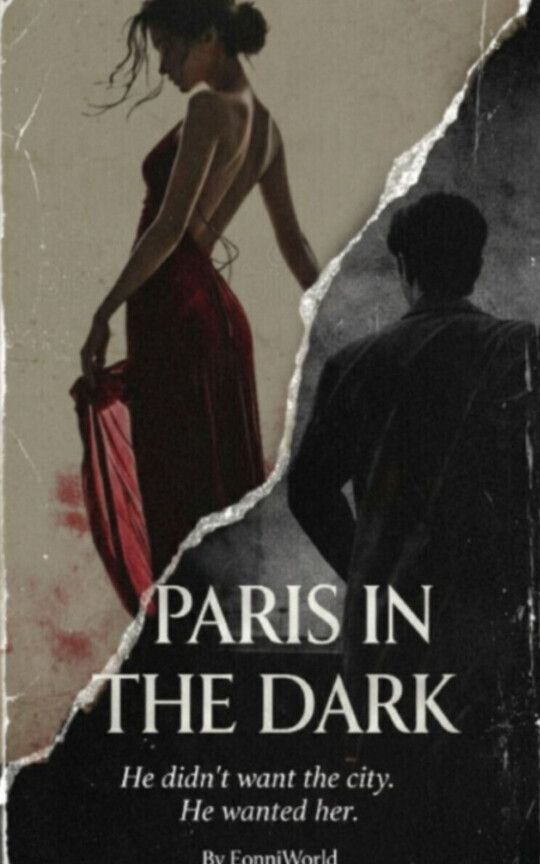








Love it! this chapter gave me Darren Aronofsky vibes in the best way 🤔
Hello!
I just finished your story, and wow,I’m still thinking about it! The emotions, the characters, the pacing, everything felt so alive and cinematic. It honestly played out in my head like a visual masterpiece.
That’s why I immediately thought,it would make such an amazing comic. I’m a freelance artist, and one of my passions is transforming stories into expressive, impactful visuals. I’d love the chance to bring your world to life in comic form if you’re ever open to the idea.
No stress at all, I just wanted to share the thought and reach out because your work really stuck with me. Here’s where you can reach me:
𝗗𝗜𝗦𝗖𝗢𝗥𝗗: (𝐥𝐢𝐳𝐳𝐢𝐞𝐝𝐨𝐞𝐬𝐢𝐭𝐚𝐥𝐥)
𝗜𝗚: (𝐥𝐢𝐳𝐳𝐢𝐞𝐝𝐨𝐞𝐬𝐢𝐭𝐚𝐥𝐥)
𝗘𝗠𝗔𝗜𝗟: (𝐥𝐢𝐳𝐳𝐢𝐞𝐝𝐨𝐞𝐬𝐢𝐭𝐚𝐥𝐥)
Thanks again for sharing your story,it truly left an impact.
All the best,
lizzie
677777
sorry